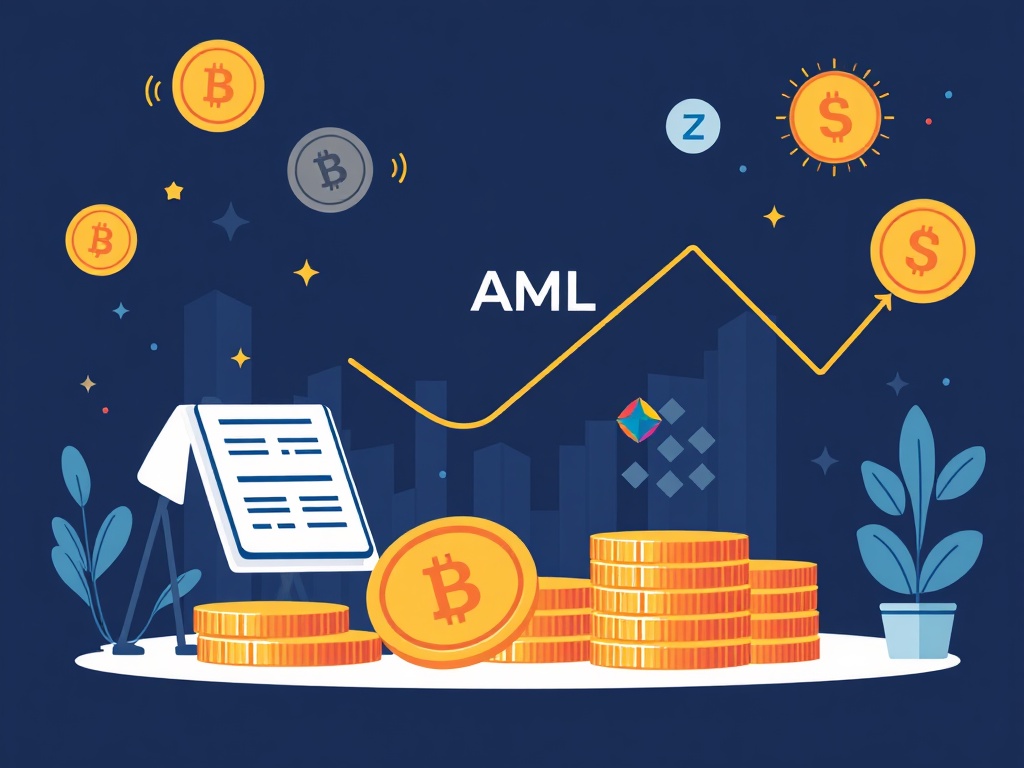
In the evolving landscape of digital finance, blockchain technology has emerged as a revolutionary force. However, with its transparent nature, the question of privacy and anonymity has become increasingly significant. This article explores the mechanisms and tools available to maintain anonymity in blockchain transactions, focusing on the role of Bitcoin mixers.
Understanding Blockchain Transparency
Blockchain technology is built on the principle of transparency. Every transaction is recorded on a public ledger, accessible to anyone. This transparency ensures trust and security but also poses challenges for those seeking privacy. Understanding how blockchain works is crucial to appreciating the need for anonymity tools.
The Public Ledger
The public ledger is a fundamental component of blockchain technology. It records all transactions in a chronological order, creating an immutable chain of data. While this ensures accountability, it also means that anyone can trace the flow of funds, potentially compromising user privacy.
Transaction Traceability
Each transaction on the blockchain is linked to a unique address. These addresses, while not directly tied to personal identities, can be analyzed to reveal patterns and connections. This traceability is a double-edged sword, providing security but also exposing users to potential privacy breaches.
The Need for Anonymity
As blockchain technology gains traction, the need for anonymity becomes more pronounced. Users may seek privacy for various reasons, from protecting personal information to safeguarding financial transactions from prying eyes.
Privacy Concerns
In an era where data is a valuable commodity, privacy concerns are at an all-time high. Blockchain users may wish to keep their financial activities private to prevent data mining and targeted advertising. Anonymity tools help mitigate these concerns by obscuring transaction details.
Security Considerations
Security is another critical factor driving the demand for anonymity. By keeping transaction details private, users can protect themselves from potential threats such as hacking and fraud. Anonymity tools add an extra layer of security, making it harder for malicious actors to exploit vulnerabilities.
Bitcoin Mixers: A Solution for Anonymity
Bitcoin mixers, also known as tumblers, are services designed to enhance privacy by obfuscating the trail of transactions. They work by mixing a user's coins with those of others, making it difficult to trace the original source.
How Bitcoin Mixers Work
Bitcoin mixers operate by pooling together multiple transactions and redistributing the coins in a way that breaks the link between the sender and receiver. This process involves several steps, including collecting, mixing, and redistributing the coins, ensuring that the original transaction trail is obscured.
Benefits of Using Bitcoin Mixers
The primary benefit of using Bitcoin mixers is enhanced privacy. By breaking the link between transactions, mixers help users maintain anonymity. Additionally, they can protect against blockchain analysis, a technique used by third parties to track and analyze transaction patterns.
Challenges and Considerations
While Bitcoin mixers offer significant advantages, they also come with challenges and considerations that users must be aware of.
Legal and Regulatory Issues
The use of Bitcoin mixers can raise legal and regulatory concerns. In some jurisdictions, mixing services may be subject to scrutiny or even prohibition. Users must be aware of the legal landscape and ensure compliance with local regulations.
Trust and Reliability
Trust is a critical factor when using Bitcoin mixers. Users must choose reputable services to avoid potential scams or loss of funds. Researching and selecting a reliable mixer is essential to ensure a secure and effective mixing process.
Best Practices for Maintaining Anonymity
To maximize the benefits of anonymity tools, users should follow best practices that enhance privacy and security.
Using Multiple Wallets
One effective strategy is to use multiple wallets for different purposes. By segregating transactions across various wallets, users can further obscure their financial activities and reduce the risk of exposure.
Regularly Updating Security Measures
Maintaining up-to-date security measures is crucial for protecting anonymity. This includes using strong passwords, enabling two-factor authentication, and regularly updating software to guard against vulnerabilities.
The Future of Blockchain Anonymity
As blockchain technology continues to evolve, so too will the tools and techniques for maintaining anonymity. The future holds promise for even more sophisticated solutions that balance transparency with privacy.
Emerging Technologies
Emerging technologies such as zero-knowledge proofs and confidential transactions are paving the way for enhanced privacy on the blockchain. These innovations aim to provide the benefits of transparency while safeguarding user anonymity.
The Role of Regulation
Regulation will play a significant role in shaping the future of blockchain anonymity. As governments and regulatory bodies grapple with the implications of privacy tools, the legal landscape will continue to evolve, influencing how anonymity is achieved and maintained.
In conclusion, while blockchain technology offers unparalleled transparency, the need for anonymity remains a critical consideration. Bitcoin mixers and other privacy tools provide valuable solutions for those seeking to protect their financial privacy. By understanding the mechanisms and challenges involved, users can make informed decisions and navigate the complex landscape of blockchain anonymity with confidence.

As a Digital Assets Strategist with extensive experience in both traditional finance and cryptocurrency markets, I can confidently state that blockchain anonymity is a complex and often misunderstood concept. While many users believe that blockchain transactions are completely anonymous, the reality is far more nuanced. In fact, most public blockchains, including Bitcoin and Ethereum, operate on a pseudonymous basis rather than true anonymity. Every transaction is recorded on a public ledger, and while wallet addresses don't directly reveal personal information, sophisticated analysis techniques can often link these addresses to real-world identities.
The misconception about blockchain anonymity stems from the early days of cryptocurrency, when the technology was primarily associated with illicit activities. However, as the industry has matured, we've seen the development of more sophisticated privacy-focused solutions. These include technologies like zero-knowledge proofs, ring signatures, and coin mixing services. While these tools can enhance privacy, they also come with trade-offs in terms of transaction speed, cost, and sometimes regulatory compliance. It's crucial for investors and users to understand that true anonymity on public blockchains is extremely difficult to achieve and maintain.
From a practical standpoint, I always advise my clients to approach blockchain privacy with a clear understanding of their specific needs and the regulatory environment in their jurisdiction. For institutional investors and regulated entities, complete anonymity is often neither desirable nor legally permissible. Instead, a balanced approach that leverages the transparency of public blockchains while implementing appropriate privacy measures is typically the most prudent strategy. This might include using multiple wallets, employing privacy-enhancing technologies where appropriate, and maintaining detailed records for compliance purposes. As the blockchain ecosystem continues to evolve, we can expect to see further innovations in privacy solutions, but the fundamental tension between transparency and anonymity will likely remain a key consideration for all market participants.