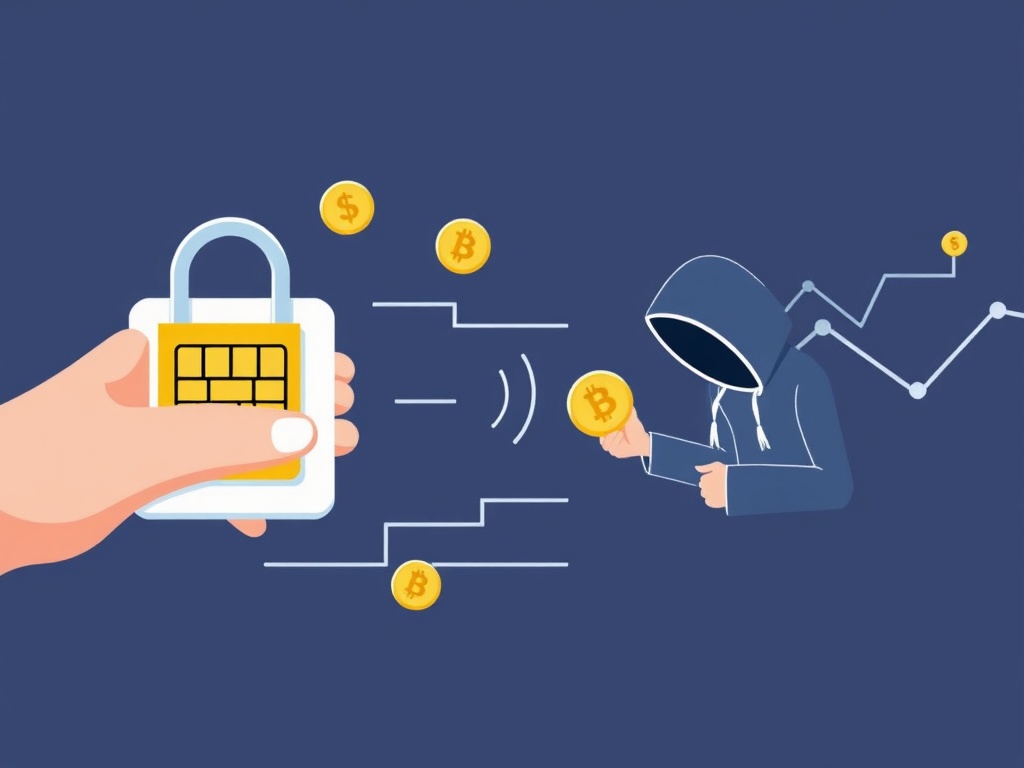
In the rapidly evolving landscape of cryptocurrency mixing services and blockchain analytics, chain hopping detection has emerged as a critical mechanism for maintaining transparency, security, and regulatory compliance. As users increasingly seek privacy through platforms like BTcmixer, the ability to identify and trace anomalous transaction patterns across multiple blockchain networks becomes indispensable. This article delves into the technical foundations, practical implementations, and strategic considerations of chain hopping detection, specifically tailored for the BTcmixer ecosystem. Whether you are a developer, a compliance analyst, or an enthusiast seeking to understand the inner workings of modern mixing services, this guide offers a detailed exploration of how detection methodologies operate, where they fall short, and how they can be optimized for real-world deployment.
Foundations of Chain Hopping Detection
Defining Chain Hopping in Distributed Environments
Chain hopping refers to the practice of moving digital assets across multiple blockchain networks or layer-two protocols in rapid succession, often leveraging cross-chain bridges, wrapped tokens, or decentralized exchanges. While such movement can be legitimate—such as arbitrageurs capitalizing on price differentials or users diversifying across ecosystems—it is frequently exploited by bad actors to obfuscate the origin and destination of funds. In the context of mixing services, chain hopping is a favored technique for breaking the on-chain trail, thereby complicating forensic analysis.
The core challenge for chain hopping detection lies in identifying coherent patterns amidst this apparent chaos. Analysts must distinguish between normal multi-chain activity and strategically designed obfuscation sequences. This requires a deep understanding of token standards, bridge mechanics, and the temporal dynamics of transaction finality across different networks.
Key Characteristics of Suspicious Chain Hopping
- Rapid succession: Transactions occurring within minutes or seconds across non-connected chains.
- Structured layering: A predictable sequence of hops designed to traverse specific jurisdictions or privacy-focused networks.
- Token wrapping patterns: Consistent use of wrapped tokens (e.g., Wrapped Bitcoin) to maintain value equivalence while changing chain identity.
- Minimal on-chain interaction: Hops executed without meaningful smart contract engagement, suggesting a pure transit purpose.
Chain Hopping Detection in the BTcmixer Ecosystem
Integration Points and Data Flow
BTcmixer, like other modern mixing platforms, operates at the intersection of user privacy and blockchain transparency. The platform’s architecture necessitates robust chain hopping detection at several integration points. Incoming deposits may traverse multiple networks before reaching the mixer’s pooling address, and outgoing distributions often follow similarly complex paths. Detecting these patterns requires continuous monitoring of inbound and outbound transaction streams, cross-referencing them against known bridge addresses, and analyzing the semantic meaning of each hop.
Effective detection begins with data aggregation. By pulling real-time data from multiple blockchain explorers, node operators, and API services, BTcmixer can build a unified view of a user’s multi-chain journey. This holistic perspective is essential for flagging deviations from expected behavior, such as an abrupt shift from a transparent chain to a privacy-centric network, or a sudden increase in the number of hops per transaction.
Risk Scoring and Anomaly Flagging
Once data is aggregated, risk scoring models assign a probability score to each transaction or batch of transactions. These models incorporate variables such as the number of hops, the diversity of chains involved, the reputation of bridging protocols, and the temporal clustering of events. Transactions exceeding a predefined threshold are flagged for enhanced due diligence, manual review, or automatic freezing, depending on the platform’s risk tolerance and regulatory obligations. The goal is not to eliminate privacy but to ensure that privacy mechanisms are not weaponized for illicit fund movement.
Technical Methodologies Behind Effective Detection
Graph-Based Analysis
One of the most powerful approaches to chain hopping detection is graph-based analysis. By representing addresses, chains, and transactions as nodes and edges in a directed graph, analysts can visualize the flow of assets across networks. Algorithms such as connected component detection, shortest path finding, and centrality measurement reveal hidden structures within seemingly random hopping patterns. For instance, a high clustering coefficient might indicate a coordinated mixing service, while long-tailed degree distributions could signal individual users experimenting with cross-chain strategies.
Graph analytics also enable the detection of "hub" addresses that serve as frequent intermediaries in chain hopping sequences. These hubs may be legitimate liquidity providers, but they can also be choke points exploited by money launderers. By mapping the flow through these nodes, BTcmixer can identify abnormal traffic patterns and trigger appropriate alerts.
Machine Learning and Pattern Recognition
Static rule-based systems are often insufficient for detecting sophisticated chain hopping techniques. Machine learning models, particularly unsupervised learning approaches like clustering, autoencoders, and graph neural networks, can learn the normal behavior of transaction flows and flag deviations. Supervised models trained on labeled datasets of legitimate and illicit multi-chain movements further enhance accuracy. Features such as hop frequency, chain entropy, bridge usage frequency, and transaction size distribution feed into these models, allowing them to adapt to evolving tactics employed by bad actors.
It is crucial, however, to maintain a balance between detection precision and false positive rates. Overly aggressive models may flag legitimate users, eroding trust in the mixing service. Continuous model retraining with fresh data, including feedback from compliance teams, ensures that the detection system remains both effective and user-friendly.
Temporal and Behavioral Heuristics
Beyond structural analysis, temporal heuristics play a vital role. Examining the timing of hops can reveal patterns such as "just-in-time" mixing, where assets are moved across chains immediately before entering a mixer, or "delayed" hops designed to frustrate real-time monitoring. Behavioral heuristics, such as the consistency of user-agent strings, wallet software versions, and network latency profiles, add additional layers of context. When combined with graph and ML techniques, these heuristics form a multi-faceted detection framework capable of adapting to diverse obfuscation strategies.
Operational Challenges and Mitigation Strategies
Cross-Chain Data Silos
A significant obstacle in chain hopping detection is the existence of data silos. Different blockchains have varying levels of transparency, indexing capabilities, and API standardization. While Bitcoin and Ethereum benefit from mature explorer ecosystems, newer or privacy-focused chains may lack robust data feeds. This fragmentation hinders the creation of a unified view necessary for effective detection. Mitigation strategies include partnering with specialized data providers, running full nodes for critical chains, and leveraging cross-chain indexing protocols that normalize data structures across networks.
Evolving Obfuscation Techniques
As detection methods improve, so too do the techniques used to evade them. Bad actors increasingly employ "chain hopping loops," where assets are moved in circular patterns across multiple chains before returning to the original network, effectively nullifying linear traceability. Other tactics include the use of layer-two solutions, sidechains, and decentralized mixers that operate outside traditional jurisdictional oversight. To counter this, BTcmixer must adopt a dynamic detection posture, regularly updating its rule sets, expanding its chain coverage, and collaborating with industry peers to share intelligence on emerging threats.
Regulatory and Privacy Considerations
The deployment of chain hopping detection must navigate a complex landscape of privacy regulations, such as the GDPR in Europe and various data protection laws globally. While the goal is to prevent illicit activity, the methods employed must respect user privacy rights and avoid unnecessary data retention. Privacy-preserving techniques, such as zero-knowledge proofs, differential privacy, and anonymized aggregation, can help balance security and privacy. Additionally, clear user consent mechanisms and transparent privacy policies foster trust and ensure compliance with evolving regulatory expectations.
Best Practices for Implementing Chain Hopping Detection in BTcmixer
Layered Detection Architecture
Rather than relying on a single detection method, a layered architecture combines rule-based heuristics, graph analytics, and machine learning models. Each layer catches different types of anomalies, providing redundancy and improving overall accuracy. For example, the first layer might flag transactions with an unusually high number of hops, the second layer applies graph analysis to assess the structural significance of those hops, and the third layer uses a machine learning model to evaluate the likelihood of illicit intent based on historical data.
Continuous Monitoring and Alert Tuning
Chain hopping patterns are not static; they evolve in response to market conditions, technological upgrades, and enforcement actions. Continuous monitoring ensures that detection parameters remain relevant. Regular tuning of alert thresholds, based on false positive feedback and new threat intelligence, prevents alert fatigue and maintains the system's operational efficiency. Automated pipelines that ingest new data, retrain models, and update rule sets are essential for sustaining long-term effectiveness.
Cross-Industry Collaboration
No single platform can combat sophisticated chain hopping techniques in isolation. Collaborative efforts across mixing services, blockchain analytics firms, regulatory bodies, and open-source communities amplify the collective detection capability. Sharing anonymized threat data, standardizing detection metrics, and participating in industry working groups enable faster identification of new tactics and more robust defensive postures. BTcmixer can lead by example, contributing to and benefiting from such collaborative ecosystems.
Future Outlook and Emerging Trends
Advances in Privacy-Preserving Analytics
The future of chain hopping detection lies in the integration of privacy-preserving analytics. Technologies such as secure multi-party computation (SMPC) and homomorphic encryption allow data analysis on encrypted transaction data, revealing patterns without exposing sensitive user information. As these technologies mature, BTcmixer and similar platforms can enhance detection capabilities while maintaining the privacy guarantees that users expect.
Integration of Decentralized Identity
Decentralized identity (DID) solutions offer a promising avenue for attributing chain hopping behavior to verifiable on-chain identities without compromising privacy. By linking transaction patterns to DIDs that users voluntarily associate with their activities, platforms can build

Chain Hopping Detection: A Strategic Framework for Cross-Chain Crypto Investing
As a certified financial analyst with over a decade of experience helping both retail and institutional investors navigate the complex digital asset landscape, I've witnessed the evolution of blockchain interoperability accelerate at an unprecedented pace. The ability to move seamlessly between different networks has created remarkable opportunities for yield optimization and portfolio diversification, but it has also introduced sophisticated risk vectors that require sophisticated monitoring. Chain hopping detection has emerged as an essential analytical tool for identifying when and how assets move across disparate blockchain ecosystems, providing the transparency needed to make informed investment decisions in this multi-chain environment.
From a practical standpoint, effective chain hopping detection goes beyond simple transaction tracking. It involves analyzing patterns of cross-chain activity, identifying abnormal flow metrics, and correlating movements with broader market dynamics. For instance, sudden spikes in asset migration between Layer 1 and Layer 2 solutions can signal either strategic rebalancing by sophisticated players or potential orchestrated attacks such as flash loan exploits. By integrating chain hopping detection into due diligence processes, investors can distinguish between legitimate cross-chain arbitrage opportunities and red flags that warrant closer scrutiny, ultimately protecting capital while capturing alpha in volatile markets.
Looking ahead, the sophistication of chain hopping detection capabilities will only grow in importance as blockchain ecosystems become increasingly interconnected. The rise of cross-chain bridges, atomic swaps, and layer-2 scaling solutions means that capital fluidity will continue to expand, bringing both enhanced efficiency and heightened systemic risk. For investors serious about maintaining a competitive edge, developing or adopting robust detection frameworks isn't optional—it's a fundamental component of responsible crypto asset management. By staying ahead of these detection methodologies, we can better navigate the cross-chain frontier with confidence and precision.