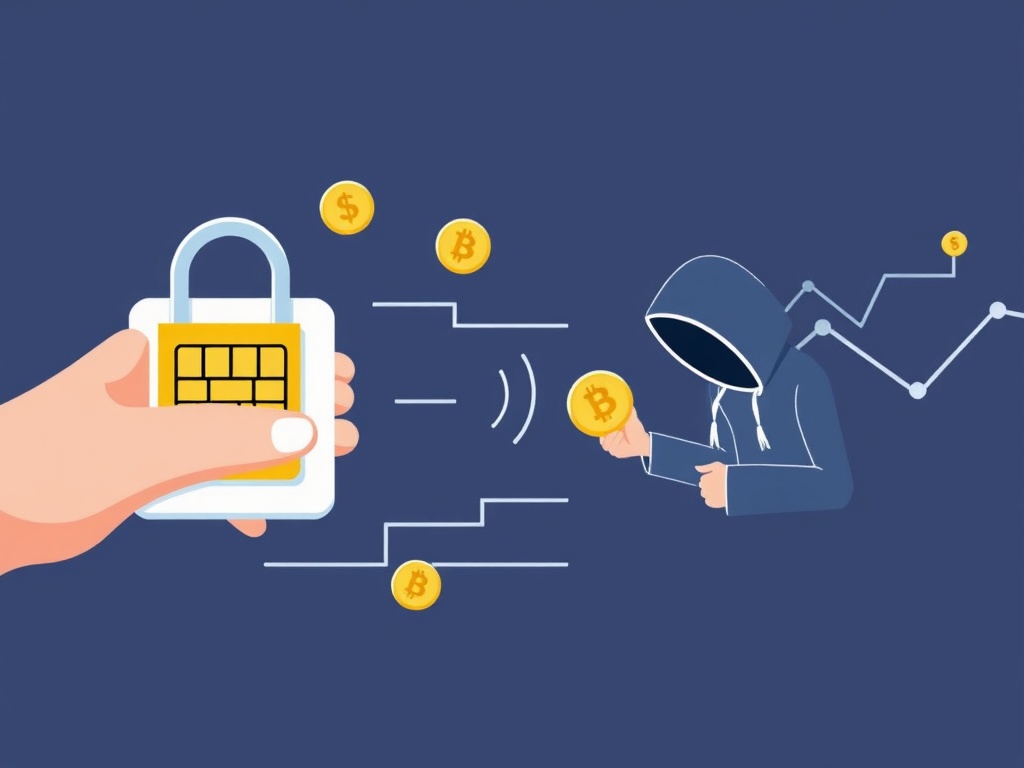
As cryptocurrency adoption accelerates globally, so too does the sophistication of cybercriminal tactics designed to exploit vulnerabilities in digital identity and authentication systems. Among the most insidious of these is SIM swap fraud, a targeted attack that enables criminals to bypass multi-factor authentication (MFA) and gain unauthorized access to crypto wallets, exchanges, and personal accounts. In response, financial institutions and crypto platforms are increasingly integrating Anti-Money Laundering (AML) checks into their fraud detection frameworks to identify and prevent such illicit activities. This comprehensive guide explores the intersection of AML check SIM swap crypto theft, detailing how these fraudulent schemes operate, their impact on financial systems, and the critical role of AML compliance in mitigating risk.
With over $1.2 billion lost to crypto-related fraud in 2023 alone, according to blockchain analytics firm Chainalysis, the urgency for robust AML measures has never been greater. This article examines the mechanics of SIM swap attacks, the regulatory landscape governing AML checks, and best practices for organizations to detect and respond to SIM swap crypto theft through enhanced due diligence and transaction monitoring.
What Is SIM Swap Fraud and How Does It Enable Crypto Theft?
The Mechanics of SIM Swap Attacks
SIM swap fraud, also known as SIM hijacking or SIM porting, is a social engineering attack in which a fraudster convinces a mobile carrier to transfer a victim’s phone number to a SIM card under their control. This is typically achieved through impersonation—posing as the legitimate account holder by providing stolen personal information such as date of birth, address, or partial Social Security numbers obtained from data breaches or phishing campaigns.
Once the SIM is swapped, the attacker receives all incoming calls and SMS messages intended for the victim. This includes one-time passwords (OTPs), authentication codes, and alerts from banks or crypto exchanges that rely on SMS-based MFA. With access to these codes, the attacker can reset passwords, bypass login verifications, and initiate unauthorized transactions—often transferring large sums of cryptocurrency to untraceable wallets.
Why Crypto Is a Prime Target for SIM Swap Theft
Cryptocurrencies are particularly vulnerable to SIM swap attacks due to several key factors:
- Irreversible Transactions: Once crypto is sent, it cannot be reversed, making it an ideal target for fraudsters.
- Decentralized Nature: Unlike traditional banking, crypto transactions do not require identity verification from intermediaries, reducing friction for illicit transfers.
- High Value, Low Traceability: Cryptocurrencies like Bitcoin and Ethereum can be quickly converted to cash or other assets, and tracing stolen funds across blockchain networks is complex and resource-intensive.
- Reliance on SMS MFA: Many crypto platforms still use SMS-based authentication, which is susceptible to SIM swap attacks.
According to a 2024 report by CipherTrace, SIM swap fraud accounted for over 15% of all crypto theft incidents in 2023, with an average loss per victim exceeding $50,000. These statistics underscore the critical need for enhanced AML check SIM swap crypto theft protocols.
Real-World Examples of SIM Swap Crypto Theft
One of the most high-profile cases involved a San Francisco-based tech executive who lost $24 million in Bitcoin after his phone number was hijacked. The attacker used the compromised number to reset passwords on his crypto exchange accounts and initiate transfers to overseas wallets. Despite reporting the incident, the funds were never recovered due to the pseudonymous nature of blockchain transactions.
Another case involved a group of hackers who targeted high-net-worth individuals by exploiting SIM swap vulnerabilities to access their exchange accounts. They then liquidated the victims’ crypto holdings and laundered the proceeds through mixers and decentralized exchanges (DEXs). This case highlights how SIM swap crypto theft is often a precursor to money laundering, necessitating robust AML monitoring.
The Role of AML Checks in Detecting and Preventing SIM Swap Crypto Theft
Understanding AML Compliance in the Crypto Sector
Anti-Money Laundering (AML) regulations require financial institutions and crypto businesses to implement controls that detect, report, and prevent illicit financial activities, including fraud and money laundering. In the context of AML check SIM swap crypto theft, AML frameworks play a crucial role in identifying suspicious patterns that may indicate a SIM swap attack in progress.
Key AML regulations impacting crypto businesses include:
- Bank Secrecy Act (BSA) (U.S.): Requires financial institutions to maintain records and file reports (e.g., Suspicious Activity Reports, or SARs) for transactions that may involve money laundering.
- Fifth Anti-Money Laundering Directive (5AMLD) (EU): Expands AML obligations to include crypto-asset service providers and mandates enhanced due diligence for high-risk transactions.
- Travel Rule (FATF): Requires crypto businesses to share transaction information with counterparties, enhancing traceability and reducing anonymity in cross-border transfers.
These regulations compel crypto platforms to integrate AML checks into their onboarding, transaction monitoring, and customer due diligence (CDD) processes.
How AML Checks Can Identify SIM Swap-Related Activity
While SIM swap attacks are difficult to detect in real time, AML systems can flag suspicious behaviors that correlate with such fraud. These include:
- Unusual Login Patterns:
- Multiple failed login attempts followed by a successful login from a new device or location.
- Login attempts using OTPs sent to a phone number that was recently ported or changed.
- Rapid Large-Value Transactions:
- Withdrawals or transfers initiated shortly after a SIM swap, especially to newly created wallets or exchanges with poor AML controls.
- Transactions that bypass typical withdrawal limits or occur outside of normal business hours.
- Geographic Inconsistencies:
- Login or transaction activity from a country different from the user’s registered address.
- Use of VPNs or proxy servers to mask the true location of the user.
- Behavioral Anomalies:
- Sudden changes in transaction behavior, such as increased frequency or volume without prior history.
- Use of mixing services or tumblers to obscure the source of funds.
By integrating these indicators into AML monitoring systems, crypto platforms can generate alerts that trigger further investigation, potentially halting a SIM swap crypto theft before funds are lost.
Enhanced Due Diligence (EDD) for High-Risk Customers
For customers identified as high-risk—such as those using mobile numbers linked to known fraud rings or those frequently involved in large crypto transfers—crypto businesses should implement Enhanced Due Diligence (EDD) measures. These may include:
- Identity Verification: Requiring government-issued IDs, proof of address, and biometric verification (e.g., facial recognition) to confirm the customer’s identity.
- Device Fingerprinting: Tracking device attributes (e.g., IP address, browser fingerprint, device ID) to detect the use of multiple devices or SIM swaps.
- Behavioral Biometrics: Analyzing typing speed, mouse movements, and navigation patterns to detect automated or fraudulent logins.
- Ongoing Monitoring: Continuously screening customer transactions against sanctions lists, PEP (Politically Exposed Persons) databases, and known fraud patterns.
These measures not only strengthen AML compliance but also serve as a deterrent against AML check SIM swap crypto theft by making it harder for fraudsters to exploit system vulnerabilities.
Regulatory and Technological Responses to SIM Swap Crypto Theft
The Regulatory Landscape: Strengthening AML Frameworks
Governments and regulatory bodies are increasingly recognizing the threat posed by SIM swap fraud and are taking steps to address it through legislation and guidance. In the United States, the Federal Trade Commission (FTC) has issued warnings about SIM swap scams and encouraged mobile carriers to implement stronger authentication measures, such as requiring in-person verification for SIM swaps.
Similarly, the Financial Crimes Enforcement Network (FinCEN) has emphasized the importance of AML checks in detecting crypto-related fraud, including SIM swap attacks. In its 2023 guidance, FinCEN highlighted the need for crypto businesses to monitor for “unusual patterns of activity” that may indicate fraudulent behavior, such as rapid transfers to high-risk jurisdictions.
In the European Union, the Sixth Anti-Money Laundering Directive (6AMLD) expands the scope of AML obligations to include crypto-asset service providers and mandates stricter penalties for money laundering offenses. This regulatory environment is pushing crypto platforms to adopt more sophisticated AML tools and processes to comply with AML check SIM swap crypto theft requirements.
Technological Innovations to Combat SIM Swap Fraud
To stay ahead of fraudsters, crypto businesses are turning to advanced technologies that enhance security and improve AML detection. These include:
1. Biometric Authentication
Biometric authentication methods, such as fingerprint scanning, facial recognition, and voice authentication, provide a more secure alternative to SMS-based MFA. Unlike SMS codes, biometric data cannot be intercepted through SIM swaps, making it a critical tool in preventing SIM swap crypto theft.
Platforms like Binance and Coinbase have already integrated biometric login options, reducing their reliance on vulnerable SMS-based systems. Additionally, some exchanges now require biometric verification for high-value transactions, adding an extra layer of security.
2. Blockchain Analytics and Forensic Tools
Blockchain analytics firms such as Chainalysis, CipherTrace, and TRM Labs provide tools that trace the flow of cryptocurrency across public ledgers. These tools can identify suspicious transactions linked to SIM swap attacks by analyzing patterns such as:
- Rapid movement of funds to mixers or privacy coins (e.g., Monero).
- Transactions involving known fraudulent wallets or exchanges.
- Unusual clustering of addresses linked to a single entity.
By integrating blockchain analytics into their AML systems, crypto platforms can enhance their ability to detect and respond to AML check SIM swap crypto theft in real time.
3. Decentralized Identity Solutions
Decentralized identity (DID) systems, such as those built on blockchain or self-sovereign identity (SSI) frameworks, allow users to control their digital identities without relying on centralized authorities like mobile carriers. These systems use cryptographic proofs to verify identity, making it difficult for fraudsters to impersonate users or execute SIM swaps.
Projects like Microsoft’s ION and Sovrin Network are pioneering decentralized identity solutions that could significantly reduce the risk of SIM swap crypto theft by eliminating the reliance on phone numbers for authentication.
4. AI-Powered Fraud Detection
Artificial intelligence (AI) and machine learning (ML) are transforming AML compliance by enabling real-time detection of fraudulent activity. AI models can analyze vast amounts of transaction data to identify anomalies that may indicate a SIM swap attack, such as:
- Sudden changes in transaction behavior.
- Unusual patterns of login attempts.
- Correlation between SIM swap events and subsequent crypto transfers.
By leveraging AI, crypto platforms can reduce false positives and improve the accuracy of their AML checks, ultimately enhancing their ability to prevent SIM swap crypto theft.
Best Practices for Crypto Businesses to Prevent SIM Swap Crypto Theft
1. Implement Multi-Layered Authentication
Relying solely on SMS-based MFA is no longer sufficient to protect against SIM swap attacks. Crypto businesses should adopt a multi-layered authentication approach that includes:
- Hardware Tokens: Devices like YubiKey or Google Titan provide phishing-resistant authentication.
- Biometric Verification: Fingerprint or facial recognition for high-risk transactions.
- Time-Based One-Time Passwords (TOTP): Apps like Google Authenticator or Authy generate codes that are not tied to a phone number.
- Email Confirmation: Requiring email verification for sensitive actions, such as password resets or large withdrawals.
By diversifying authentication methods, businesses can significantly reduce the risk of AML check SIM swap crypto theft.
2. Educate Customers on SIM Swap Risks
Many victims of SIM swap fraud are unaware of the risks or fail to take preventive measures. Crypto platforms should proactively educate their users through:
- Security Alerts: Sending notifications about SIM swap scams and how to recognize them.
- Guides and Tutorials: Providing step-by-step instructions on securing accounts, such as enabling biometric authentication and avoiding public Wi-Fi for sensitive transactions.
- Simulated Phishing Tests: Conducting mock phishing campaigns to test user awareness and reinforce best practices.
Educating customers is a critical component of a holistic approach to combating SIM swap crypto theft.
3. Monitor for SIM Swap Indicators
Crypto businesses should integrate SIM swap detection into their AML monitoring systems. This can be achieved by:
- Monitoring Port-Out Requests: Tracking requests to transfer phone numbers between carriers, which may indicate a SIM swap attempt.
- Analyzing Device Changes: Flagging logins from new devices or locations, especially if accompanied by OTP requests.
- Cross-Referencing with Fraud Databases: Checking customer phone numbers against known fraud rings or SIM swap blacklists.
By proactively monitoring for these indicators, businesses can identify potential AML check SIM swap crypto theft attempts before they result in financial losses.
4. Collaborate with Mobile Carriers
Crypto platforms should establish partnerships with mobile carriers to enhance security and reduce the risk of SIM swap fraud. This collaboration can include:
- Carrier-Agnostic Authentication: Using authentication methods that are not tied to a specific carrier, such as biometric verification or hardware tokens.
- SIM Swap Alerts: Receiving real-time notifications from carriers when a SIM swap is requested, allowing the platform to temporarily freeze the account.
- Stronger Verification Protocols: Encouraging carriers to implement stricter identity verification for SIM swaps, such as requiring in-person verification or biometric authentication.
By working closely with mobile carriers, crypto businesses can create a more secure ecosystem that is resilient to SIM swap crypto theft.
5. Develop a Rapid Response Plan for Fraud Incidents
Despite best efforts, no system is entirely foolproof. Crypto businesses should develop a comprehensive incident response plan to address SIM swap crypto theft incidents. This plan should include:
- Immediate Account Freezes: Temporarily suspending accounts suspected of being compromised to prevent further losses.
- Customer Notification: Alerting affected users and providing guidance on securing their accounts and reporting the incident to law enforcement.
- Collaboration with Law Enforcement: Reporting the incident to relevant authorities, such as the FBI’s Internet Crime Complaint Center (IC3) or local cybercrime units.
- Forensic Analysis: Conducting a post-incident review to identify vulnerabilities and improve future AML checks.
A well-defined response plan ensures that businesses can act swiftly and effectively to mitigate the impact of AML check SIM swap crypto theft.
The Future of AML Check for SIM Swap Crypto Theft: Trends and Predictions
Increased Regulatory Scrutiny
As SIM swap fraud and crypto theft continue to rise, regulators are expected to impose stricter AML requirements on crypto businesses. This may include mandatory use of non-SMS authentication methods, enhanced transaction monitoring, and real-time reporting of suspicious activities. Businesses that fail to comply with these regulations risk hefty fines and reputational damage.
In the coming years, we can expect to see more jurisdictions adopting comprehensive AML frameworks tailored to the crypto sector, further emphasizing the importance of AML check SIM swap crypto theft measures.
Advancements in Decentralized Identity
 Sarah Mitchell
Blockchain Research Director
Sarah Mitchell
Blockchain Research Director
Strengthening Crypto Security: The Critical Role of AML Checks in Preventing SIM Swap Theft
As the Blockchain Research Director with over eight years of experience in distributed ledger technology, I’ve witnessed firsthand how the intersection of traditional financial fraud and decentralized systems creates a perfect storm for crypto theft. SIM swap attacks remain one of the most insidious threats to digital asset holders, enabling attackers to bypass two-factor authentication (2FA) and gain control of exchange accounts, wallets, and even decentralized identities. While many platforms focus solely on post-incident recovery, the real solution lies in proactive measures—particularly robust Anti-Money Laundering (AML) checks integrated with real-time identity verification. An effective AML check SIM swap crypto theft strategy isn’t just about detecting suspicious transactions; it’s about identifying behavioral patterns that precede a swap, such as unusual login attempts from new devices or sudden changes in account activity. By leveraging machine learning models trained on historical fraud data, exchanges can flag high-risk behaviors before a theft occurs, reducing reliance on reactive measures like manual reviews or post-theft investigations.
From a technical standpoint, the challenge isn’t just detecting a SIM swap—it’s distinguishing it from legitimate user behavior. Many victims of SIM swap theft are unaware their phone number has been hijacked until funds are already drained, making real-time alerts and multi-layered authentication critical. Practical insights suggest that combining carrier-based SIM swap detection APIs (like those offered by major telecom providers) with blockchain analytics tools can create a formidable defense. For instance, if an AML system detects a withdrawal request immediately following a SIM swap event, it can trigger an automatic hold or require additional biometric verification. Additionally, educating users on the risks of sharing phone numbers publicly and encouraging the use of hardware wallets or decentralized identity solutions (such as Soulbound Tokens) can further mitigate exposure. The key takeaway? AML isn’t just a regulatory checkbox—it’s a dynamic security layer that, when properly implemented, can neutralize one of the most prevalent attack vectors in crypto today.