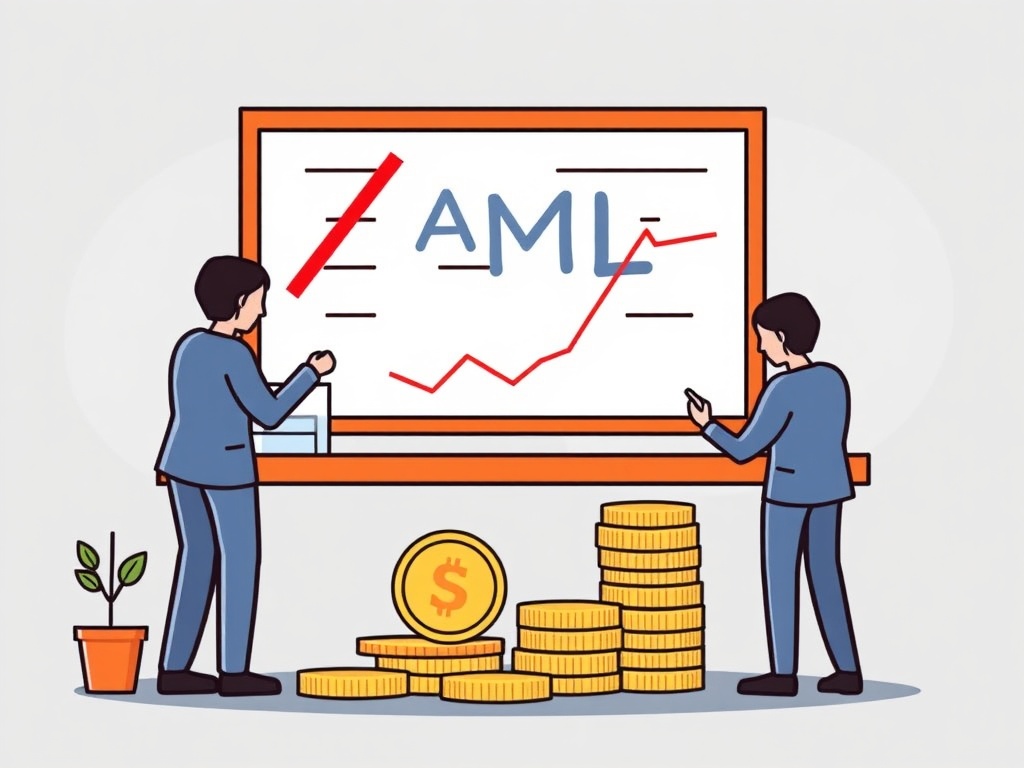
In the rapidly evolving landscape of digital finance, AML check smart contract audit compliance has emerged as a cornerstone of trust, security, and regulatory adherence. As decentralized finance (DeFi) platforms, blockchain networks, and smart contracts become integral to global financial systems, the need for robust anti-money laundering (AML) measures and rigorous smart contract audits has never been more pressing. This comprehensive guide explores the intersection of AML compliance and smart contract audits, highlighting their importance, methodologies, challenges, and best practices for organizations seeking to maintain integrity and legality in their operations.
Financial institutions, blockchain developers, and compliance officers must navigate a complex web of regulations, technological risks, and operational demands. AML check smart contract audit compliance serves as a dual safeguard—ensuring that financial transactions are transparent and that the underlying code governing these transactions is secure, functional, and free from vulnerabilities. This article delves into the essential components of AML checks, the intricacies of smart contract audits, and how organizations can achieve seamless compliance while mitigating risks.
---The Importance of AML Check in Modern Financial Systems
Anti-Money Laundering (AML) regulations are designed to prevent financial crimes such as money laundering, terrorist financing, and fraud. In the context of digital assets and blockchain technology, AML checks take on a new dimension, requiring innovative approaches to monitor and verify transactions in real time.
Why AML Compliance is Non-Negotiable in Digital Finance
Digital currencies and decentralized platforms operate across borders, often outside the traditional banking system. This decentralization, while empowering users, also creates opportunities for illicit activities. AML compliance ensures that financial systems remain transparent and accountable, protecting both institutions and end-users from financial crime.
- Regulatory Requirements: Jurisdictions worldwide, including the Financial Action Task Force (FATF), the European Union’s Fifth Anti-Money Laundering Directive (5AMLD), and the U.S. Bank Secrecy Act (BSA), mandate strict AML protocols for financial institutions.
- Risk Mitigation: AML checks help identify suspicious transactions early, reducing exposure to financial penalties, reputational damage, and legal consequences.
- User Trust: Transparency in transaction monitoring fosters trust among users, investors, and regulators, which is crucial for the adoption of blockchain-based solutions.
Key Components of an Effective AML Check System
An effective AML check system integrates multiple layers of monitoring, screening, and reporting. These components work together to detect and prevent financial crimes in real time.
- Customer Due Diligence (CDD): Verifying the identity of users through Know Your Customer (KYC) processes to assess risk levels.
- Transaction Monitoring: Analyzing transaction patterns to flag unusual or high-risk activities, such as rapid fund transfers or transactions involving sanctioned entities.
- Sanctions Screening: Cross-referencing transaction parties against global sanctions lists to prevent dealings with prohibited entities.
- Suspicious Activity Reporting (SAR): Documenting and reporting suspicious transactions to relevant authorities in compliance with regulatory requirements.
- Risk Assessment: Continuously evaluating the risk profile of users, transactions, and platforms to adapt AML strategies accordingly.
In the context of blockchain and smart contracts, AML checks must also account for the pseudonymous nature of transactions. While blockchain ledgers are transparent, linking wallet addresses to real-world identities remains a challenge. Advanced analytics tools, such as chain analysis and behavioral modeling, are essential to bridge this gap and ensure comprehensive AML compliance.
---Smart Contracts: The Backbone of Decentralized Finance
Smart contracts are self-executing agreements written in code that automatically enforce the terms of a contract when predefined conditions are met. They are the foundation of decentralized applications (dApps), DeFi platforms, and blockchain-based financial instruments. However, their immutable and automated nature also introduces unique risks that must be addressed through rigorous audits.
How Smart Contracts Work and Why They Matter
Smart contracts eliminate the need for intermediaries, reducing costs and increasing efficiency. They are deployed on blockchain networks like Ethereum, Binance Smart Chain, and Solana, where they interact with users and other contracts to execute transactions, manage assets, and enforce agreements.
For example, in a DeFi lending platform, a smart contract might automatically disburse a loan when a borrower provides sufficient collateral and repay it when the loan term expires. This automation streamlines processes but also requires flawless code to prevent exploits, such as reentrancy attacks or integer overflows.
Common Vulnerabilities in Smart Contracts
Despite their potential, smart contracts are prone to vulnerabilities that can lead to financial losses, data breaches, or system failures. Identifying and mitigating these risks is a critical aspect of AML check smart contract audit compliance.
- Reentrancy Attacks: Exploiting the ability of a contract to call back into itself before the initial execution completes, allowing attackers to drain funds.
- Integer Overflow/Underflow: Occurs when arithmetic operations exceed the storage capacity of a variable, leading to incorrect calculations and potential fund losses.
- Front-Running: Malicious actors exploiting the public nature of blockchain transactions to manipulate outcomes in their favor.
- Access Control Issues: Flaws in permission settings that allow unauthorized users to execute sensitive functions.
- Oracle Manipulation: Exploiting vulnerabilities in external data feeds (oracles) that provide real-world data to smart contracts.
These vulnerabilities underscore the necessity of thorough smart contract audits, particularly when the contracts govern financial transactions subject to AML regulations.
---Integrating AML Checks with Smart Contract Audits: A Holistic Approach
The convergence of AML compliance and smart contract audits is essential for creating a secure and legally compliant financial ecosystem. While AML checks focus on transaction monitoring and regulatory adherence, smart contract audits ensure the technical integrity of the systems processing those transactions. Together, they form a robust framework for risk management and compliance.
The Synergy Between AML and Smart Contract Audits
Smart contracts often handle sensitive financial operations, such as token transfers, loan disbursements, or staking rewards. Ensuring these contracts are free from vulnerabilities is not only a technical best practice but also a compliance necessity. An audit that identifies and fixes code flaws can prevent exploits that might otherwise facilitate money laundering or other financial crimes.
For instance, a poorly audited smart contract in a DeFi platform could allow an attacker to manipulate transaction flows, obscuring the origin of illicit funds. By integrating AML checks into the audit process, developers can ensure that the contract’s logic aligns with regulatory expectations and that transaction monitoring systems are effectively integrated.
Steps to Achieve AML Check Smart Contract Audit Compliance
Organizations seeking to achieve AML check smart contract audit compliance should follow a structured approach that combines technical audits with regulatory assessments.
- Pre-Audit Preparation:
- Document the smart contract’s purpose, functionality, and data flows.
- Identify all stakeholders, including users, regulators, and third-party service providers.
- Establish clear compliance objectives, such as adherence to FATF Travel Rule or local AML laws.
- Technical Smart Contract Audit:
- Engage a reputable third-party audit firm to review the contract’s code for vulnerabilities.
- Use automated tools (e.g., Slither, MythX) to detect common issues like reentrancy or overflows.
- Conduct manual reviews to assess logic, access controls, and integration with external systems.
- AML Compliance Assessment:
- Evaluate the contract’s transaction monitoring capabilities, such as real-time AML screening.
- Ensure the contract supports KYC/AML data collection and reporting requirements.
- Test the system’s ability to flag and report suspicious transactions in compliance with regulatory guidelines.
- Remediation and Validation:
- Address all identified vulnerabilities and compliance gaps.
- Re-audit the contract to confirm that fixes are effective and no new issues have been introduced.
- Document the audit process and outcomes for regulatory review.
- Ongoing Monitoring and Updates:
- Implement continuous monitoring for both technical and compliance risks.
- Stay updated with evolving AML regulations and smart contract best practices.
- Conduct periodic audits to ensure long-term compliance and security.
Tools and Technologies for AML Check Smart Contract Audit Compliance
Several tools and technologies can streamline the process of achieving AML check smart contract audit compliance.
- Automated Audit Tools:
- Slither: A static analysis tool for Ethereum smart contracts that detects vulnerabilities and provides optimization suggestions.
- MythX: A security analysis service that combines static and dynamic analysis to identify security flaws.
- CertiK: A blockchain security platform offering smart contract audits, penetration testing, and real-time monitoring.
- AML Compliance Platforms:
- Chainalysis: Provides blockchain analysis tools to track and investigate suspicious transactions.
- Elliptic: Offers AML compliance solutions tailored for cryptocurrency and digital asset businesses.
- TRM Labs: Specializes in blockchain intelligence and AML risk management for DeFi and traditional finance.
- Regulatory Technology (RegTech):
- ComplyAdvantage: Uses AI to screen transactions and entities against global sanctions and watchlists.
- Onfido: Provides identity verification and KYC solutions to support AML compliance.
Regulatory Landscape: Navigating AML and Smart Contract Compliance
The regulatory environment for AML and smart contracts is complex and varies significantly across jurisdictions. Organizations must stay informed about local and international requirements to ensure full compliance and avoid penalties.
Global AML Regulations Affecting Smart Contracts
While smart contracts themselves are not explicitly regulated, the financial activities they facilitate often fall under existing AML laws. Key regulations include:
- FATF Guidelines: The Financial Action Task Force provides recommendations for AML/CFT (Combating the Financing of Terrorism) compliance, including the Travel Rule, which requires virtual asset service providers (VASPs) to share transaction data.
- 5AMLD (EU): The Fifth Anti-Money Laundering Directive expands AML obligations to include cryptocurrency exchanges and wallet providers, mandating KYC and transaction monitoring.
- Bank Secrecy Act (USA): Requires financial institutions to implement AML programs, including suspicious activity reporting and customer identification procedures.
- PSD2 (EU): The Revised Payment Services Directive introduces strong customer authentication (SCA) and open banking requirements, which may intersect with smart contract-based financial services.
- MiCA Regulation (EU): The Markets in Crypto-Assets Regulation, set to take full effect in 2024, will impose comprehensive AML and operational requirements on crypto asset issuers and service providers.
Jurisdictional Variations and Challenges
Organizations operating across multiple jurisdictions face the challenge of complying with diverse and sometimes conflicting regulations. For example:
- United States: The SEC and FinCEN have taken a proactive stance on regulating digital assets, with a focus on securities laws and AML compliance. Smart contracts facilitating securities transactions must comply with SEC regulations, such as Regulation D or Regulation A+.
- European Union: Under MiCA, crypto asset service providers (CASPs) must implement robust AML measures, including transaction monitoring and suspicious activity reporting. The EU’s approach is more prescriptive than in the U.S., with standardized requirements across member states.
- Asia-Pacific: Countries like Singapore and Japan have established clear regulatory frameworks for digital assets, while others, such as China, have imposed strict bans on cryptocurrency transactions. Organizations must carefully assess local requirements to avoid legal pitfalls.
- Emerging Markets: In regions with less developed regulatory infrastructure, organizations may need to adopt self-regulatory measures or align with international standards to ensure compliance.
Best Practices for Regulatory Compliance
To navigate the regulatory landscape effectively, organizations should adopt the following best practices:
- Engage Legal and Compliance Experts: Work with professionals who specialize in digital asset regulations to interpret and apply relevant laws.
- Implement a Risk-Based Approach: Tailor AML and smart contract audit processes to the specific risks associated with your platform’s operations and user base.
- Stay Updated on Regulatory Changes: Monitor updates from regulatory bodies like FATF, SEC, and ESMA to ensure ongoing compliance.
- Document Everything: Maintain detailed records of AML checks, smart contract audits, and compliance efforts to demonstrate adherence to regulators.
- Collaborate with Industry Groups: Participate in industry associations, such as the Blockchain Association or Global Digital Finance, to stay informed about regulatory trends and advocate for clear guidelines.
Case Studies: Real-World Examples of AML Check Smart Contract Audit Compliance
Examining real-world examples provides valuable insights into the challenges and successes of implementing AML check smart contract audit compliance. These case studies highlight the importance of proactive risk management and the consequences of non-compliance.
Case Study 1: The DAO Hack and the Birth of Smart Contract Audits
In 2016, the Decentralized Autonomous Organization (DAO) suffered a high-profile hack due to a vulnerability in its smart contract code. An attacker exploited a reentrancy flaw to drain approximately $60 million worth of Ether. This incident led to a hard fork of the Ethereum blockchain and underscored the critical need for rigorous smart contract audits.
Following the hack, the Ethereum community and blockchain developers recognized the importance of third-party audits. Today, projects like MakerDAO, Uniswap, and Aave undergo regular audits to ensure their smart contracts are secure and compliant with best practices. While this case did not involve AML compliance directly, it set a precedent for the integration of security audits into blockchain development.
Case Study 2: Tornado Cash and Sanctions Compliance
Tornado Cash, a privacy-focused cryptocurrency mixer, became a focal point in 2022 when the U.S. Office of Foreign Assets Control (OFAC) sanctioned its smart contracts. The platform was accused of facilitating money laundering by obscuring the origin of funds linked to illicit activities, including those associated with North Korea’s Lazarus Group.
This case highlighted the intersection of AML compliance and smart contract functionality. While Tornado Cash’s code itself was not illegal, its use case and lack of AML controls led to regulatory action. The incident serves as a cautionary tale for developers and organizations, emphasizing the need to design smart contracts with compliance in mind from the outset.
In response, some privacy-focused projects have begun integrating AML checks into their protocols, such as requiring users to undergo KYC before accessing mixing services. This demonstrates how AML check smart contract audit compliance can be adapted to balance privacy with regulatory requirements.
Case Study 3: DeFi Platforms and Regulatory Scrutiny
Several DeFi platforms have faced regulatory scrutiny for failing to implement adequate AML measures. For example, in 2021, the U.S. Commodity Futures Trading Commission (CFTC) charged a DeFi platform with operating an illegal derivatives trading platform without proper registration or AML compliance.
This case illustrates the growing expectation that DeFi platforms, despite their decentralized nature, must comply with traditional financial regulations. Smart contracts governing trading, lending, and asset management must incorporate AML checks, such as transaction monitoring and KYC integration, to avoid legal repercussions.
As a result, many DeFi projects are now partnering with AML compliance providers to integrate real-time monitoring and reporting tools into their smart contracts. This proactive approach not only ensures regulatory compliance but also enhances user trust and platform credibility.
---Future Trends and the Evolving Role of AML Check Smart Contract Audit Compliance
The intersection of AML compliance and smart contract audits is poised for significant evolution as technology advances and regulatory frameworks mature. Organizations must anticipate these trends to stay ahead of the curve and maintain robust AML check smart contract audit compliance.
The Rise of AI and Machine Learning in AML and
 David Chen
Digital Assets Strategist
David Chen
Digital Assets Strategist
Ensuring AML Check Smart Contract Audit Compliance: A Strategic Imperative for Digital Asset Security
As a digital assets strategist with a background in quantitative finance and on-chain analytics, I’ve observed that AML check smart contract audit compliance is no longer a best practice—it’s a foundational requirement for institutional-grade blockchain deployments. Smart contracts handling financial transactions, particularly in DeFi or tokenized asset ecosystems, must integrate robust Anti-Money Laundering (AML) checks to mitigate regulatory and operational risks. A superficial audit focused solely on code integrity or gas efficiency misses the critical layer of compliance that regulators and counterparties now demand. From my experience in traditional finance, where KYC/AML frameworks are non-negotiable, the same rigor must be embedded into smart contract logic to prevent illicit fund flows, sanctions evasion, or reputational damage. The absence of such checks not only exposes projects to legal liabilities but also erodes trust in decentralized systems, which are increasingly scrutinized by global watchdogs like FATF and FinCEN.
Practically, achieving AML check smart contract audit compliance requires a multi-disciplinary approach that blends cryptographic verification with regulatory alignment. First, contracts should incorporate real-time transaction monitoring hooks—such as address screening against OFAC or EU sanctions lists—directly into the execution flow. This isn’t just about adding a pre-deployment check; it’s about designing the contract to dynamically reject or flag suspicious transactions before they’re finalized. Second, audits must extend beyond static code analysis to include scenario-based testing, where edge cases like mixer interactions or cross-chain arbitrage are simulated to ensure AML filters remain effective. I’ve seen too many projects treat compliance as an afterthought, only to face costly remediation or delisting from regulated venues. The key takeaway? Compliance isn’t a feature—it’s a core protocol attribute, and audits must treat it as such. For institutions entering the space, prioritizing auditors with deep AML expertise (not just Solidity proficiency) is the difference between a resilient system and a regulatory liability.
Ensuring AML Check Smart Contract Audit Compliance: A Strategic Imperative for Digital Asset Security
As a digital assets strategist with a background in quantitative finance and on-chain analytics, I’ve observed that AML check smart contract audit compliance is no longer a best practice—it’s a foundational requirement for institutional-grade blockchain deployments. Smart contracts handling financial transactions, particularly in DeFi or tokenized asset ecosystems, must integrate robust Anti-Money Laundering (AML) checks to mitigate regulatory and operational risks. A superficial audit focused solely on code integrity or gas efficiency misses the critical layer of compliance that regulators and counterparties now demand. From my experience in traditional finance, where KYC/AML frameworks are non-negotiable, the same rigor must be embedded into smart contract logic to prevent illicit fund flows, sanctions evasion, or reputational damage. The absence of such checks not only exposes projects to legal liabilities but also erodes trust in decentralized systems, which are increasingly scrutinized by global watchdogs like FATF and FinCEN.
Practically, achieving AML check smart contract audit compliance requires a multi-disciplinary approach that blends cryptographic verification with regulatory alignment. First, contracts should incorporate real-time transaction monitoring hooks—such as address screening against OFAC or EU sanctions lists—directly into the execution flow. This isn’t just about adding a pre-deployment check; it’s about designing the contract to dynamically reject or flag suspicious transactions before they’re finalized. Second, audits must extend beyond static code analysis to include scenario-based testing, where edge cases like mixer interactions or cross-chain arbitrage are simulated to ensure AML filters remain effective. I’ve seen too many projects treat compliance as an afterthought, only to face costly remediation or delisting from regulated venues. The key takeaway? Compliance isn’t a feature—it’s a core protocol attribute, and audits must treat it as such. For institutions entering the space, prioritizing auditors with deep AML expertise (not just Solidity proficiency) is the difference between a resilient system and a regulatory liability.