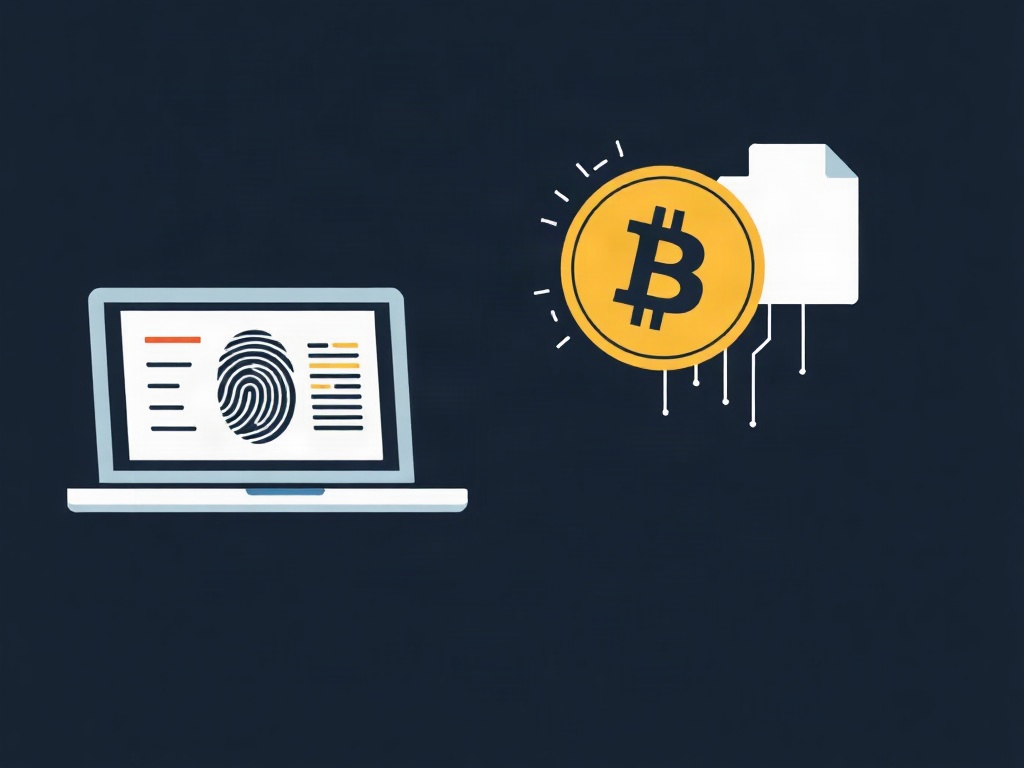
In today's digital-first world, social media platforms have become indispensable tools for businesses, financial institutions, and individuals alike. However, with the rapid growth of online interactions comes the increased risk of financial crimes such as money laundering, fraud, and terrorist financing. To combat these threats, Anti-Money Laundering (AML) checks have become a critical component of social media operations—especially for platforms that facilitate financial transactions, user verification, or high-value interactions.
An AML check social media platform refers to the integration of AML compliance measures within social networking sites to detect, prevent, and report suspicious activities. These checks are not just a regulatory requirement but a necessity to maintain trust, security, and legal compliance in an evolving digital landscape. This guide explores the importance, implementation, challenges, and best practices of conducting AML checks on social media platforms.
The Rising Need for AML Compliance in Social Media
Social media platforms have evolved far beyond simple communication tools. Today, they host marketplaces, payment systems, crowdfunding campaigns, and even cryptocurrency exchanges. This transformation has made them attractive targets for illicit financial activities. Criminals exploit the anonymity and global reach of social networks to launder money, fund illegal operations, or disguise the origin of illicit funds.
For example, a fraudulent user might create multiple fake accounts to simulate legitimate transactions, transfer funds across borders using peer-to-peer payments, or use influencer platforms to promote scams disguised as investment opportunities. Without robust AML controls, social media platforms can inadvertently become conduits for financial crime.
Regulatory Landscape and Legal Obligations
Regulatory bodies worldwide have recognized the risks posed by unregulated financial activity on social media. The Financial Action Task Force (FATF), the European Union’s Sixth Anti-Money Laundering Directive (6AMLD), and the U.S. Bank Secrecy Act (BSA) all impose obligations on entities involved in financial transactions—including social media companies that facilitate payments or host financial services.
Under these regulations, social media platforms may be classified as obliged entities if they offer financial services such as:
- Peer-to-peer (P2P) payments
- Cryptocurrency trading or wallet services
- Crowdfunding or investment platforms
- Marketplaces with integrated payment systems
Failure to implement effective AML checks can result in severe penalties, reputational damage, and loss of user trust. Therefore, integrating an AML check social media platform is not optional—it is a legal and ethical imperative.
Real-World Risks and Case Studies
Several high-profile cases highlight the dangers of inadequate AML controls on social media:
- Facebook (Meta) and Cryptocurrency Scams: In 2021, Meta faced scrutiny after reports emerged of cryptocurrency scams proliferating on its platform, including fake investment schemes promoted through influencer accounts. While Meta has since implemented stricter ad policies and verification processes, the incident underscored the need for proactive AML monitoring.
- Twitter (X) and Financial Misinformation: During the COVID-19 pandemic, fraudulent fundraising campaigns and fake investment opportunities spread rapidly on Twitter. These schemes often involved the use of stolen identities and manipulated financial data, making AML checks essential to detect red flags.
- TikTok and Money Laundering via Influencers: Some influencers have been caught using their platforms to promote unregistered investment schemes or pyramid schemes, which can facilitate money laundering. Platforms must monitor such activities to prevent misuse.
These examples demonstrate that an AML check social media platform is not just about compliance—it’s about protecting users and the integrity of the digital economy.
How AML Checks Work on Social Media Platforms
Implementing an effective AML check on a social media platform requires a multi-layered approach that combines technology, policy, and human oversight. Below is a breakdown of how these checks typically function.
1. Identity Verification (KYC Integration)
The first line of defense in AML compliance is Know Your Customer (KYC) verification. Social media platforms that allow financial transactions must verify the identities of users before enabling certain features.
Common KYC methods include:
- Document Verification: Users upload government-issued IDs (passport, driver’s license) for automated or manual review.
- Biometric Authentication: Facial recognition or fingerprint scans to match the user’s identity with their ID.
- Database Checks: Cross-referencing user data with sanctions lists, Politically Exposed Persons (PEP) databases, and adverse media reports.
- Two-Factor Authentication (2FA): Adding an extra layer of security to prevent account takeover.
Platforms like LinkedIn, Facebook, and X (formerly Twitter) already use identity verification for business accounts or ad placements. Expanding this to all users engaging in financial activities ensures a stronger AML framework.
2. Transaction Monitoring and Anomaly Detection
Once identities are verified, the next step is monitoring user behavior for suspicious transactions. An AML check social media platform uses advanced algorithms and AI to flag unusual patterns.
Key indicators of suspicious activity include:
- Unusually Large Transactions: Sudden deposits or transfers that exceed typical user behavior.
- Frequent Small Transactions: Structuring (splitting large amounts into smaller ones to avoid detection).
- Rapid Movement of Funds: Funds entering and leaving accounts within a short period, especially across borders.
- Unusual Geographic Activity: Transactions originating from or sent to high-risk jurisdictions (e.g., countries with weak AML regulations).
- Associated with Known Criminals: Links to accounts or entities flagged in sanctions or criminal databases.
Machine learning models can analyze historical data to establish baseline behavior for each user and detect deviations in real time. For instance, if a user who typically sends small payments suddenly initiates a large international transfer, the system can trigger an alert for manual review.
3. Sanctions Screening and PEP Checks
Social media platforms must screen users against global sanctions lists and identify Politically Exposed Persons (PEPs) who may pose higher risks. This is a core requirement under AML regulations.
Sanctions screening involves checking:
- OFAC (U.S. Office of Foreign Assets Control) lists
- EU Sanctions Lists
- UN Security Council Sanctions
- Other regional sanctions databases
PEP checks identify individuals who hold prominent public positions or have close associations with such individuals. Due to their potential influence, PEPs are considered higher-risk for involvement in bribery or money laundering.
Automated screening tools can instantly cross-reference user data with these lists, reducing the risk of onboarding high-risk individuals.
4. Reporting Suspicious Activities (SARs)
When suspicious activity is detected, social media platforms are legally required to file a Suspicious Activity Report (SAR) with relevant authorities, such as FinCEN in the U.S. or the National Crime Agency in the UK.
A SAR includes details such as:
- User identification information
- Description of suspicious behavior
- Transaction details (amounts, dates, involved parties)
- Supporting evidence or patterns observed
Failure to report suspicious activities can result in regulatory fines and legal consequences. Therefore, an AML check social media platform must have a clear, documented process for escalating and reporting red flags.
5. Ongoing Due Diligence and User Reviews
AML compliance is not a one-time process. Social media platforms must conduct ongoing due diligence to ensure users remain compliant over time.
This includes:
- Periodic Re-verification: Rechecking user identities at regular intervals or when suspicious behavior is detected.
- Enhanced Monitoring for High-Risk Users: Users with higher transaction volumes or from high-risk regions may require additional scrutiny.
- User Behavior Analytics: Tracking changes in user activity that may indicate evolving risk profiles.
Platforms like PayPal and Venmo already implement continuous monitoring. Social media companies can adopt similar models to strengthen their AML frameworks.
Challenges in Implementing AML Checks on Social Media
While the benefits of an AML check social media platform are clear, implementation is not without challenges. Social media companies face unique obstacles that traditional financial institutions do not.
1. Scale and User Volume
Social media platforms host millions—or even billions—of users. Conducting real-time AML checks for every transaction or interaction is computationally intensive and requires robust infrastructure.
For example, Facebook processes over 150 million transactions daily across its ecosystem. Scaling AML checks to this level demands advanced cloud computing, AI, and machine learning capabilities.
2. Balancing Privacy and Compliance
Users expect privacy and data protection, especially on social media. Implementing AML checks often involves collecting and analyzing personal data, which can conflict with privacy regulations like the General Data Protection Regulation (GDPR).
Platforms must ensure that AML measures are transparent, data is anonymized where possible, and users are informed about how their data is used for compliance purposes.
3. Fake Accounts and Identity Fraud
Social media is rife with fake accounts, bots, and stolen identities. Criminals use these to bypass KYC checks and conduct illicit transactions. Detecting and preventing identity fraud is a persistent challenge.
Solutions include:
- Advanced biometric verification
- Behavioral biometrics (e.g., typing patterns, device fingerprinting)
- AI-powered deepfake detection
- Collaboration with identity verification providers
4. Cross-Border Regulatory Complexity
Social media platforms operate globally, but AML regulations vary by country. A user in the EU may be subject to 6AMLD, while a user in the U.S. must comply with BSA and FinCEN guidelines. Managing multiple regulatory frameworks simultaneously is complex.
Platforms must adopt a risk-based approach, tailoring AML checks to the jurisdictions in which they operate while maintaining a unified compliance strategy.
5. Integration with Existing Systems
Many social media platforms were not originally designed to handle financial transactions. Integrating AML checks into existing infrastructure—such as user authentication systems, payment gateways, and content moderation tools—can be technically challenging.
API-based solutions and third-party AML providers (e.g., Jumio, Onfido, ComplyAdvantage) can simplify integration by offering plug-and-play compliance tools.
Best Practices for Implementing an AML Check Social Media Platform
To build a robust AML framework, social media platforms should follow industry best practices. Below are key recommendations for effective implementation.
1. Adopt a Risk-Based Approach
Not all users or transactions pose the same level of risk. A risk-based approach allows platforms to allocate resources efficiently by focusing on high-risk activities.
Steps include:
- Risk Assessment: Identify which features (e.g., payments, ads, crowdfunding) carry the highest AML risks.
- Tiered Verification: Require stricter KYC for high-risk users (e.g., those transferring large amounts or operating from high-risk countries).
- Dynamic Monitoring: Adjust monitoring intensity based on user behavior and risk level.
2. Leverage AI and Machine Learning
AI-powered tools can significantly enhance AML detection by analyzing vast datasets in real time. Machine learning models can:
- Detect unusual transaction patterns
- Predict high-risk user behavior
- Automate sanctions screening
- Reduce false positives in alerts
For example, an AI system might flag a user who suddenly starts receiving payments from multiple unrelated accounts—a common tactic in money laundering.
3. Partner with AML Compliance Providers
Rather than building AML systems in-house, social media platforms can partner with specialized compliance providers. These companies offer:
- Real-time transaction monitoring
- Sanctions and PEP screening
- Automated SAR filing
- Regulatory reporting tools
Popular providers include:
- ComplyAdvantage – AI-driven risk intelligence
- Refinitiv World-Check – Sanctions and PEP screening
- Chainalysis – Cryptocurrency transaction monitoring
- Feedzai – Real-time fraud and AML detection
4. Educate Users and Staff
User awareness and staff training are critical components of AML compliance.
Platforms should:
- Educate Users: Provide clear guidelines on acceptable use, red flags of fraud, and reporting suspicious activities.
- Train Staff: Ensure compliance teams understand AML regulations, detection methods, and reporting procedures.
- Publish Transparency Reports: Share insights on AML efforts and compliance statistics to build trust.
For example, LinkedIn includes AML training for its trust and safety teams, while Facebook provides resources for users to report suspicious financial activities.
5. Implement a Strong Governance Framework
A well-defined governance structure ensures accountability and continuous improvement in AML compliance. Key elements include:
- Dedicated AML Team: A specialized team responsible for monitoring, reporting, and updating policies.
- Regular Audits: Internal and external audits to assess the effectiveness of AML measures.
- Policy Documentation: Clear, written policies on KYC, transaction monitoring, and reporting.
- Incident Response Plan: A protocol for responding to AML breaches or regulatory inquiries.
Platforms like Twitter (X) and TikTok have established dedicated compliance teams to oversee AML and financial crime prevention efforts.
The Future of AML Checks on Social Media
The landscape of AML compliance is rapidly evolving, driven by technological advancements, regulatory changes, and the growing sophistication of financial criminals. The future of an AML check social media platform will likely be shaped by several key trends.
1. Integration of Blockchain Analytics
As cryptocurrencies become more integrated with social media (e.g., through tipping, NFTs, or decentralized finance), platforms will need to adopt blockchain analytics tools to trace illicit transactions.
Companies like Chainalysis and Elliptic provide blockchain forensics to identify wallet addresses linked to money laundering or sanctions evasion. Social media platforms facilitating crypto transactions must integrate these tools to comply with AML regulations.
2. Decentralized Identity Solutions
Blockchain-based identity solutions (e.g., decentralized identifiers or DIDs) could revolutionize AML checks by giving users control over their verified identities while allowing platforms to authenticate them securely.
This approach could reduce identity fraud and streamline KYC processes, making AML checks more efficient and user-friendly.
3. Real-Time Regulatory Adaptation
Regulators are increasingly requiring real-time reporting of suspicious activities. Future AML systems will need to support instant data sharing with authorities while maintaining user privacy.
Technologies like RegTech (Regulatory Technology) will play a crucial role in automating compliance reporting and adapting to new regulations as they emerge.
4. Enhanced Collaboration Between Platforms
Financial crime often spans multiple platforms. To combat this, social media companies, fintech firms, and traditional banks may collaborate to share threat intelligence and suspicious activity data.
Industry initiatives like the FATF’s Travel Rule for crypto transactions are paving the way for cross-platform data sharing in a secure and compliant manner.
5. AI-Driven Predictive Compliance
Future AML systems may use predictive analytics to anticipate high-risk behaviors before they occur. By analyzing trends and historical data, AI could flag users or transactions that exhibit early signs of money laundering.
This proactive approach would allow platforms to intervene before illicit activities escalate, reducing financial and reputational risks.
Conclusion: Building a Secure and Compliant Social Media E
 Robert Hayes
DeFi & Web3 Analyst
Robert Hayes
DeFi & Web3 Analyst
Why AML Check Social Media Platforms Are Critical for Web3 Compliance
As a DeFi and Web3 analyst, I’ve observed that the intersection of social media activity and anti-money laundering (AML) compliance is often overlooked—yet it’s becoming a critical vulnerability in decentralized ecosystems. Traditional financial institutions have long leveraged social media monitoring to detect suspicious behavior, but in Web3, where pseudonymity is the norm, this practice is even more essential. An AML check social media platform isn’t just about flagging illicit transactions; it’s about mapping the digital footprints of users who may be exploiting decentralized networks for illicit finance. For example, a yield farming protocol with sudden spikes in activity from newly created wallets linked to the same social media accounts could indicate coordinated wash trading or rug pulls. Without integrating AML checks with social media intelligence, DeFi platforms risk becoming unwitting conduits for financial crime.
Practically speaking, the implementation of an AML check social media platform requires a multi-layered approach. First, protocols must adopt identity verification tools that cross-reference on-chain activity with off-chain social profiles—without compromising user privacy. Second, machine learning models should be trained to detect patterns, such as rapid wallet migrations tied to the same IP addresses or Discord servers. Third, collaboration with blockchain analytics firms that specialize in social media scraping (with proper consent frameworks) can provide real-time alerts for high-risk behavior. The key is balancing compliance with decentralization; after all, the goal isn’t to stifle innovation but to ensure that Web3’s financial rails remain trustworthy. For DeFi projects serious about longevity, integrating AML checks with social media monitoring isn’t optional—it’s a necessity.
Why AML Check Social Media Platforms Are Critical for Web3 Compliance
As a DeFi and Web3 analyst, I’ve observed that the intersection of social media activity and anti-money laundering (AML) compliance is often overlooked—yet it’s becoming a critical vulnerability in decentralized ecosystems. Traditional financial institutions have long leveraged social media monitoring to detect suspicious behavior, but in Web3, where pseudonymity is the norm, this practice is even more essential. An AML check social media platform isn’t just about flagging illicit transactions; it’s about mapping the digital footprints of users who may be exploiting decentralized networks for illicit finance. For example, a yield farming protocol with sudden spikes in activity from newly created wallets linked to the same social media accounts could indicate coordinated wash trading or rug pulls. Without integrating AML checks with social media intelligence, DeFi platforms risk becoming unwitting conduits for financial crime.
Practically speaking, the implementation of an AML check social media platform requires a multi-layered approach. First, protocols must adopt identity verification tools that cross-reference on-chain activity with off-chain social profiles—without compromising user privacy. Second, machine learning models should be trained to detect patterns, such as rapid wallet migrations tied to the same IP addresses or Discord servers. Third, collaboration with blockchain analytics firms that specialize in social media scraping (with proper consent frameworks) can provide real-time alerts for high-risk behavior. The key is balancing compliance with decentralization; after all, the goal isn’t to stifle innovation but to ensure that Web3’s financial rails remain trustworthy. For DeFi projects serious about longevity, integrating AML checks with social media monitoring isn’t optional—it’s a necessity.