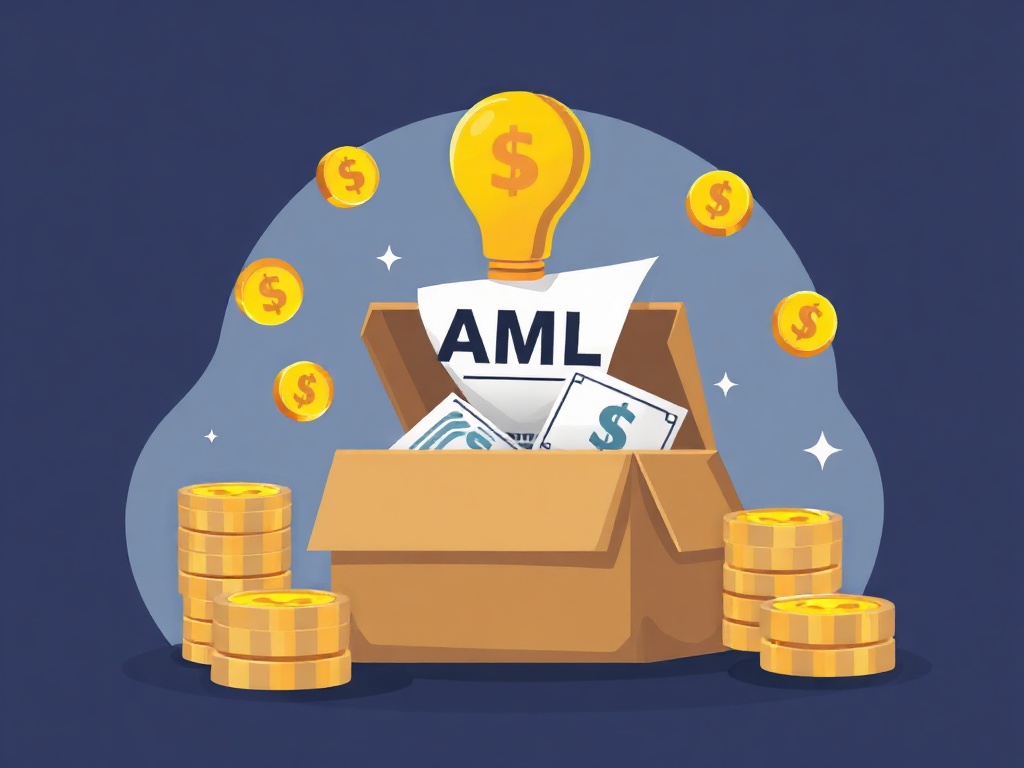
In recent years, the integration of loot boxes into video games and virtual platforms has sparked significant regulatory scrutiny, particularly concerning Anti-Money Laundering (AML) compliance. As digital economies expand and in-game transactions become more complex, ensuring AML check loot box compliance has emerged as a critical priority for developers, operators, and regulators alike. This comprehensive guide explores the intersection of AML regulations and loot box mechanics, offering insights into compliance requirements, risk mitigation strategies, and best practices for maintaining regulatory adherence in an evolving digital landscape.
The Rise of Loot Boxes and Regulatory Concerns
Loot boxes, digital containers that offer randomized virtual items, have become a staple in modern gaming. From cosmetic skins in Fortnite to rare character unlocks in FIFA Ultimate Team, these mechanics drive engagement and revenue. However, their resemblance to gambling—particularly due to their randomized nature and real-world value—has drawn the attention of global regulators. Countries such as Belgium, the Netherlands, and China have classified certain loot box mechanics as gambling, imposing strict regulations or outright bans. Meanwhile, other jurisdictions, including the United States and the United Kingdom, continue to evaluate their stance, creating a fragmented regulatory environment.
The AML Connection: Why Loot Boxes Matter in Anti-Money Laundering
At first glance, loot boxes may seem unrelated to financial crimes like money laundering. However, the AML check loot box compliance framework addresses several key risks:
- Anonymity in Transactions: Many loot box purchases are made using cryptocurrencies or prepaid cards, which can obscure the identities of buyers and sellers.
- High-Value Virtual Assets: Rare in-game items can be traded or sold on secondary markets, sometimes for thousands of dollars, making them attractive targets for illicit financial activities.
- Cross-Border Transactions: Online gaming platforms often operate globally, facilitating transactions that may span multiple jurisdictions with varying AML regulations.
- Integration with Real-World Economies: The blurring lines between virtual and real-world value create opportunities for money laundering schemes, such as "smurfing" (using multiple accounts to launder funds).
Given these risks, regulators are increasingly focusing on ensuring that gaming platforms implement robust AML check loot box compliance measures to prevent financial crimes.
Key AML Regulations Impacting Loot Box Compliance
Several AML regulations directly influence how gaming platforms must structure their loot box systems. Understanding these frameworks is essential for achieving AML check loot box compliance.
1. The Bank Secrecy Act (BSA) and FinCEN Guidelines (United States)
The Bank Secrecy Act (BSA), enforced by the Financial Crimes Enforcement Network (FinCEN), requires financial institutions—including virtual asset service providers (VASPs)—to implement AML programs. While gaming platforms are not traditionally classified as financial institutions, FinCEN has issued guidance clarifying that certain activities, such as facilitating the purchase or sale of virtual currencies or high-value in-game items, may fall under BSA requirements.
For loot box operators, this means:
- Implementing Customer Due Diligence (CDD) procedures to verify the identities of users engaging in high-value transactions.
- Monitoring transactions for suspicious patterns, such as rapid purchases and resales of in-game items.
- Reporting suspicious activities to FinCEN via Suspicious Activity Reports (SARs).
Failure to comply with BSA guidelines can result in hefty fines, as seen in cases where cryptocurrency exchanges were penalized for inadequate AML controls.
2. The Fifth and Sixth EU Anti-Money Laundering Directives (EU)
In the European Union, the Fifth Anti-Money Laundering Directive (5AMLD) and its successor, the Sixth Anti-Money Laundering Directive (6AMLD), have expanded AML obligations to include virtual currencies and certain gaming activities. Under these directives, providers of gaming services that facilitate the exchange of virtual assets for fiat currency or other virtual assets are considered "obliged entities" and must comply with stringent AML measures.
Key requirements for loot box compliance under EU AML directives include:
- Risk Assessment: Conducting a thorough risk assessment to identify and mitigate AML vulnerabilities in loot box mechanics.
- Transaction Monitoring: Implementing systems to detect and report suspicious transactions, such as large or frequent purchases of loot boxes.
- Record-Keeping: Maintaining detailed records of transactions for at least five years to facilitate regulatory audits.
- Know Your Customer (KYC): Verifying the identities of users engaging in transactions above a specified threshold (typically €1,000 or equivalent).
Gaming platforms operating in the EU must ensure their AML check loot box compliance aligns with these directives to avoid penalties and maintain market access.
3. The Proceeds of Crime Act (POCA) and UK AML Regulations
In the United Kingdom, the Proceeds of Crime Act (POCA) 2002 and the Money Laundering Regulations 2017 impose AML obligations on businesses involved in high-risk activities, including those facilitating the exchange of virtual assets. The UK's Financial Conduct Authority (FCA) has emphasized that gaming platforms must treat virtual assets with the same scrutiny as traditional financial instruments.
For loot box operators, compliance under UK AML regulations involves:
- Registering with the FCA if operating as a VASP.
- Implementing a risk-based approach to AML, tailored to the specific risks posed by loot box mechanics.
- Conducting enhanced due diligence for high-risk users, such as those using anonymizing tools or engaging in rapid, high-value transactions.
- Reporting suspicious activities to the National Crime Agency (NCA) via SARs.
Failure to comply with UK AML regulations can result in criminal liability for directors and significant financial penalties for the business.
4. China’s AML Laws and Gaming Regulations
China has taken a particularly strict approach to loot boxes, classifying them as a form of gambling under its Anti-Unfair Competition Law and Gambling Law. The country’s AML framework, enforced by the People’s Bank of China (PBOC), requires gaming platforms to implement robust controls to prevent money laundering through virtual assets.
Key compliance measures for loot box operators in China include:
- Obtaining a gaming license from the National Press and Publication Administration (NPPA).
- Implementing real-name registration systems to verify user identities.
- Setting strict limits on the value of in-game items that can be traded or sold.
- Monitoring transactions for patterns indicative of money laundering, such as rapid accumulation and transfer of high-value items.
Non-compliance with China’s AML and gaming regulations can result in severe penalties, including fines, license revocation, and criminal prosecution.
Risk Assessment: Identifying AML Vulnerabilities in Loot Box Systems
To achieve AML check loot box compliance, gaming platforms must conduct a thorough risk assessment to identify and mitigate potential vulnerabilities. This process involves analyzing the design of loot box mechanics, user behavior, and transaction patterns to determine where AML risks may arise.
1. Designing Loot Box Mechanics with AML in Mind
The structure of a loot box system can significantly influence its AML risk profile. Key design considerations include:
- Probability Disclosure: Clearly disclosing the odds of obtaining specific items can reduce perceptions of gambling and mitigate regulatory scrutiny. However, it also provides transparency that may be exploited by bad actors to launder funds.
- Purchase Limits: Implementing spending limits on loot boxes can reduce the risk of large-scale money laundering. For example, platforms may cap monthly purchases or require additional verification for high-value transactions.
- Item Valuation: Assigning a fixed or dynamic value to in-game items can help platforms monitor transactions for suspicious activity. For instance, platforms may flag transactions involving items with rapidly increasing values.
- Secondary Market Restrictions: Limiting the ability to trade or sell in-game items can reduce the risk of money laundering through virtual asset exchanges. Platforms may implement "account-bound" items that cannot be transferred to other users.
By designing loot box mechanics with AML risks in mind, platforms can reduce their exposure to financial crimes while maintaining a positive user experience.
2. Analyzing User Behavior for Suspicious Patterns
AML compliance is not just about implementing controls—it’s also about monitoring user behavior to detect and prevent suspicious activities. Common red flags in loot box transactions include:
- Rapid Purchases and Resales: Users who quickly purchase loot boxes and sell the obtained items for profit may be engaging in money laundering.
- Use of Anonymizing Tools: Transactions made using VPNs, proxy servers, or cryptocurrencies can obscure the user’s identity and location, increasing AML risks.
- Unusual Transaction Patterns: Large or frequent transactions that do not align with the user’s typical behavior may indicate illicit activity.
- Multiple Accounts: Users operating multiple accounts to launder funds through loot box purchases and transfers are a significant risk factor.
Platforms should implement automated monitoring systems to flag these behaviors and trigger further investigation or reporting as necessary.
3. Geographic Risk Factors
The AML risk associated with loot boxes can vary significantly depending on the user’s location. Factors to consider include:
- Regulatory Environment: Users in jurisdictions with strict AML regulations, such as the EU or China, may pose lower risks than those in jurisdictions with lax enforcement.
- Currency and Payment Methods: Transactions made using cryptocurrencies or prepaid cards are higher risk due to their anonymity and ease of transfer.
- Secondary Market Activity: Platforms should assess the prevalence of secondary markets in different regions, as these can facilitate money laundering.
By tailoring AML controls to geographic risks, platforms can allocate resources more effectively and reduce their overall exposure to financial crimes.
Implementing AML Compliance Programs for Loot Box Operators
Achieving AML check loot box compliance requires a structured approach to implementing AML compliance programs. These programs should be tailored to the specific risks posed by loot box mechanics and aligned with relevant regulations. Below are the key components of an effective AML compliance program for loot box operators.
1. Developing an AML Policy and Procedures Manual
A comprehensive AML policy and procedures manual serves as the foundation of a compliance program. This document should outline the platform’s approach to AML, including:
- Risk Assessment: A detailed analysis of the AML risks posed by loot box mechanics and the platform’s user base.
- Customer Due Diligence (CDD): Procedures for verifying user identities, including KYC requirements and enhanced due diligence for high-risk users.
- Transaction Monitoring: Systems and processes for detecting and reporting suspicious transactions.
- Record-Keeping: Requirements for maintaining transaction records and other relevant documentation.
- Training and Awareness: Programs to educate staff and users about AML risks and compliance obligations.
The AML policy should be reviewed and updated regularly to reflect changes in regulations, user behavior, and emerging risks.
2. Customer Due Diligence (CDD) and Know Your Customer (KYC) Procedures
CDD and KYC are critical components of any AML compliance program. For loot box operators, these procedures should include:
- Identity Verification: Collecting and verifying government-issued identification documents, such as passports or driver’s licenses, for all users.
- Address Verification: Confirming the user’s residential address through utility bills, bank statements, or other official documents.
- Enhanced Due Diligence (EDD): Conducting additional verification for high-risk users, such as those using anonymizing tools or engaging in large or frequent transactions.
- Ongoing Monitoring: Continuously reviewing user profiles and transaction histories to detect changes in behavior that may indicate suspicious activity.
Platforms should also implement automated KYC solutions to streamline the verification process and reduce the risk of human error.
3. Transaction Monitoring and Suspicious Activity Reporting
Transaction monitoring is the cornerstone of an effective AML compliance program. Platforms should implement automated systems to analyze transactions in real-time and flag suspicious patterns. Key features of an effective transaction monitoring system include:
- Rule-Based Alerts: Setting predefined rules to trigger alerts for transactions that meet specific criteria, such as large amounts, rapid transfers, or unusual patterns.
- Machine Learning and AI: Using advanced analytics to detect anomalies and identify complex patterns indicative of money laundering.
- Case Management: A centralized system for reviewing and investigating flagged transactions, with clear escalation procedures for suspicious activities.
- Suspicious Activity Reporting (SAR): Filing SARs with relevant authorities, such as FinCEN in the US or the NCA in the UK, for transactions that meet reporting thresholds.
Platforms should also conduct regular audits of their transaction monitoring systems to ensure they remain effective and aligned with regulatory expectations.
4. Training and Awareness Programs
Staff training is essential to ensure that all employees understand their AML obligations and can effectively identify and report suspicious activities. Training programs should cover:
- Regulatory Requirements: An overview of relevant AML regulations, such as the BSA, 5AMLD, and POCA.
- Risk Awareness: Educating staff about the AML risks posed by loot box mechanics and virtual assets.
- Reporting Procedures: Training on how to recognize suspicious activities and file SARs with the appropriate authorities.
- Data Privacy: Ensuring that staff understand the importance of protecting user data and complying with privacy regulations, such as the GDPR.
Training should be conducted regularly and tailored to the specific roles and responsibilities of different staff members.
5. Independent Audits and Regulatory Examinations
To demonstrate compliance with AML regulations, loot box operators should undergo regular independent audits and regulatory examinations. These audits can be conducted by third-party firms or regulatory bodies and should assess the effectiveness of the platform’s AML compliance program. Key areas of focus include:
- Policy and Procedures: Reviewing the AML policy and procedures manual to ensure it aligns with regulatory requirements.
- Transaction Monitoring: Evaluating the effectiveness of the transaction monitoring system and the accuracy of SARs.
- CDD and KYC: Assessing the adequacy of identity verification and ongoing monitoring procedures.
- Training and Awareness: Reviewing training materials and records to ensure staff are adequately prepared to identify and report suspicious activities.
Platforms should address any deficiencies identified during audits promptly and implement corrective actions to mitigate risks.
Case Studies: AML Enforcement Actions and Lessons Learned
Examining real-world cases of AML enforcement actions can provide valuable insights into the importance of AML check loot box compliance and the consequences of non-compliance. Below are several notable cases that highlight the risks and lessons for gaming platforms.
1. The US v. Bitfinex and Tether Case (2021)
In 2021, the US Department of Justice (DOJ) and the Commodity Futures Trading Commission (CFTC) charged Bitfinex and Tether, two major cryptocurrency firms, with operating an unlicensed money transmitting business and violating the BSA. The case highlighted the risks of operating in the virtual asset space without robust AML controls.
Key lessons for loot box operators include:
- The importance of registering with relevant authorities, such as FinCEN, if operating as a VASP.
- The need for comprehensive transaction monitoring and SAR filing procedures.
- The risks of operating in jurisdictions with lax AML enforcement.
While Bitfinex and Tether are not gaming platforms, their case underscores the regulatory scrutiny faced by businesses operating in the virtual asset space.
2. The Belgian
 Sarah Mitchell
Blockchain Research Director
Sarah Mitchell
Blockchain Research Director
Ensuring AML Check Loot Box Compliance in the Gaming Economy: A Blockchain Perspective
As the Blockchain Research Director with a background in fintech and distributed ledger technology, I’ve observed firsthand how loot boxes in gaming ecosystems intersect with financial regulations—particularly anti-money laundering (AML) requirements. The integration of blockchain-based assets into these virtual economies has elevated the stakes; digital items acquired through loot boxes now carry real-world value, making AML check loot box compliance not just a legal consideration but a critical operational safeguard. From a technical standpoint, smart contracts governing loot box mechanics must embed AML screening at the point of transaction, ensuring that both the acquisition and exchange of in-game assets adhere to jurisdictional financial integrity standards. This isn’t merely about ticking regulatory boxes—it’s about preventing illicit funds from being laundered through the guise of gaming rewards.
Practically speaking, achieving AML check loot box compliance requires a layered approach. First, gaming platforms must implement real-time transaction monitoring tools that flag suspicious patterns, such as rapid accumulation or resale of high-value loot box items. Second, identity verification protocols should be embedded into the onboarding process for users engaging in secondary markets, where assets are traded for fiat or cryptocurrency. Finally, collaboration with regulatory bodies and adherence to frameworks like the Financial Action Task Force (FATF) Travel Rule—even in decentralized environments—can mitigate risks. The key takeaway? Compliance isn’t an afterthought; it’s a foundational layer of trust in blockchain-powered gaming economies. Platforms that prioritize AML check loot box compliance today will avoid costly penalties and reputational damage tomorrow.
Ensuring AML Check Loot Box Compliance in the Gaming Economy: A Blockchain Perspective
As the Blockchain Research Director with a background in fintech and distributed ledger technology, I’ve observed firsthand how loot boxes in gaming ecosystems intersect with financial regulations—particularly anti-money laundering (AML) requirements. The integration of blockchain-based assets into these virtual economies has elevated the stakes; digital items acquired through loot boxes now carry real-world value, making AML check loot box compliance not just a legal consideration but a critical operational safeguard. From a technical standpoint, smart contracts governing loot box mechanics must embed AML screening at the point of transaction, ensuring that both the acquisition and exchange of in-game assets adhere to jurisdictional financial integrity standards. This isn’t merely about ticking regulatory boxes—it’s about preventing illicit funds from being laundered through the guise of gaming rewards.
Practically speaking, achieving AML check loot box compliance requires a layered approach. First, gaming platforms must implement real-time transaction monitoring tools that flag suspicious patterns, such as rapid accumulation or resale of high-value loot box items. Second, identity verification protocols should be embedded into the onboarding process for users engaging in secondary markets, where assets are traded for fiat or cryptocurrency. Finally, collaboration with regulatory bodies and adherence to frameworks like the Financial Action Task Force (FATF) Travel Rule—even in decentralized environments—can mitigate risks. The key takeaway? Compliance isn’t an afterthought; it’s a foundational layer of trust in blockchain-powered gaming economies. Platforms that prioritize AML check loot box compliance today will avoid costly penalties and reputational damage tomorrow.