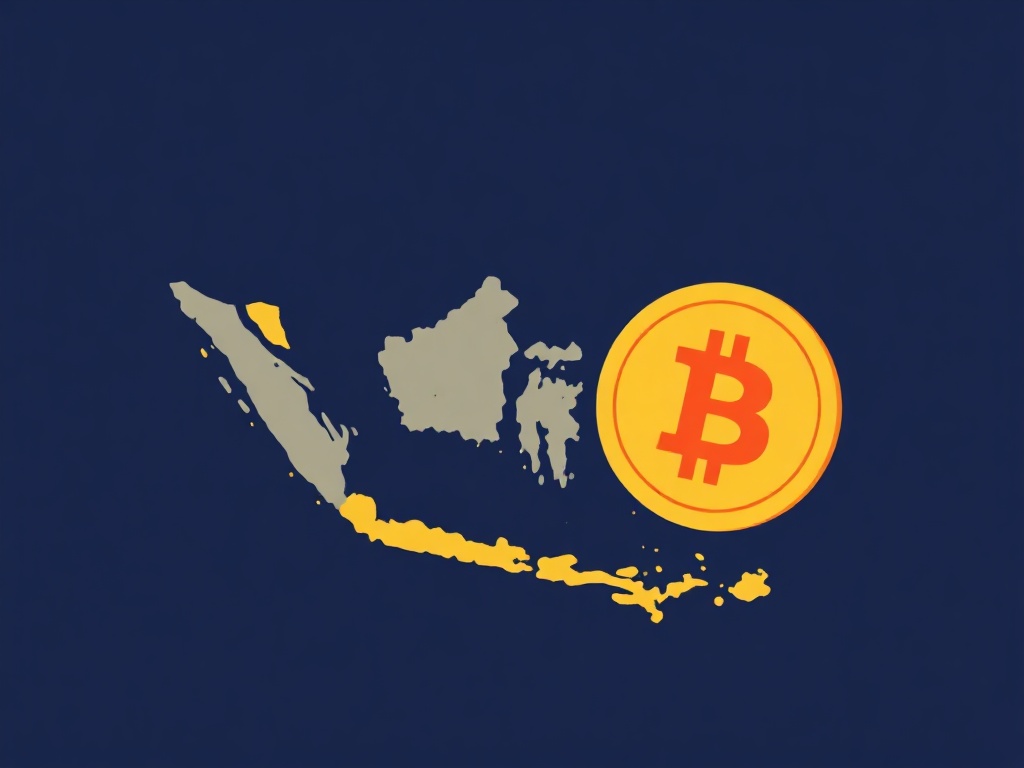
As the cryptocurrency market in Indonesia continues to grow, regulatory oversight has become increasingly critical to ensure financial integrity and combat illicit activities. The Financial Services Authority (Otoritas Jasa Keuangan, or OJK) and the Commodity Futures Trading Regulatory Agency (Badan Pengawas Perdagangan Berjangka Komoditi, or Bappebti) play pivotal roles in overseeing digital asset transactions. Among their key responsibilities is the implementation of Anti-Money Laundering (AML) checks—a framework designed to detect, prevent, and report suspicious financial activities.
For businesses and individuals involved in the crypto space, understanding the AML check Indonesia Bappebti crypto framework is not just a legal obligation but a cornerstone of sustainable market participation. This comprehensive guide explores the regulatory landscape, the role of Bappebti, the importance of AML compliance, and practical steps for conducting effective AML checks in Indonesia’s crypto ecosystem.
Why AML Checks Are Essential for Crypto in Indonesia
The Rise of Cryptocurrency and Regulatory Concerns
Indonesia has emerged as one of Southeast Asia’s largest cryptocurrency markets, with millions of users trading digital assets such as Bitcoin, Ethereum, and stablecoins. While this growth signals economic opportunity, it also raises concerns about financial crime, including money laundering, terrorist financing, and fraud. Unlike traditional banking systems, cryptocurrencies operate on decentralized networks, making them attractive to bad actors seeking anonymity.
To address these risks, the Indonesian government has strengthened its regulatory framework. In 2019, Bappebti issued Regulation No. 5/2019, which mandates that all crypto asset traders and exchanges must comply with AML and Know Your Customer (KYC) standards. This regulation aligns with global best practices established by the Financial Action Task Force (FATF), which recommends that virtual asset service providers (VASPs) implement robust AML controls.
Bappebti’s Mandate in Crypto Regulation
Bappebti, under the Ministry of Trade, is the primary authority responsible for regulating crypto asset trading in Indonesia. Its duties include:
- Licensing and supervision: All crypto exchanges and traders must obtain a license from Bappebti to operate legally.
- AML and KYC enforcement: Exchanges are required to implement systems that monitor transactions, verify customer identities, and report suspicious activities.
- Consumer protection: Ensuring transparency, fair trading practices, and safeguarding user funds.
- Market integrity: Preventing market manipulation and illicit financial flows.
By enforcing AML checks, Bappebti aims to create a secure and transparent crypto environment that fosters trust among investors and businesses alike.
The Global Context: Why AML Matters in Crypto
Money laundering in cryptocurrency often involves the use of mixers, privacy coins, or cross-border transactions to obscure the origin of funds. According to a 2023 report by Chainalysis, illicit transactions in crypto reached $20.6 billion globally, highlighting the scale of the challenge. In Indonesia, where crypto adoption is high, the risk of financial crime is equally significant.
Effective AML checks help mitigate these risks by:
- Identifying unusual transaction patterns (e.g., rapid large transfers, frequent cross-border transactions).
- Freezing or reporting suspicious accounts to authorities.
- Ensuring that crypto businesses maintain accurate records of transactions and customer identities.
Without proper AML measures, crypto exchanges risk severe penalties, including fines, license revocation, or criminal charges.
How AML Checks Work in Indonesia’s Crypto Sector
The Legal Framework Governing AML in Crypto
The foundation of AML compliance in Indonesia’s crypto sector is rooted in several key regulations:
- Law No. 8 of 2010 on Money Laundering Prevention: The primary legislation that criminalizes money laundering and mandates reporting obligations for financial institutions.
- Bappebti Regulation No. 5/2019: Requires crypto exchanges to implement AML and KYC procedures, including customer due diligence (CDD) and transaction monitoring.
- Bank Indonesia Regulation No. 19/3/PBI/2017: Prohibits the use of crypto as a payment instrument but allows it as a tradable asset under Bappebti’s oversight.
- OJK Circular Letters: Provide guidance on risk management and internal controls for financial institutions, including those dealing with crypto.
These regulations require crypto businesses to:
- Register with Bappebti and obtain a trading license.
- Implement AML policies and procedures tailored to their operations.
- Conduct ongoing monitoring of customer transactions.
- Report suspicious transactions to the Indonesian Financial Transaction Reports and Analysis Center (PPATK) within 24 hours of detection.
Key Components of an AML Check System
An effective AML check system in Indonesia’s crypto sector typically includes the following components:
1. Customer Due Diligence (CDD)
CDD is the first line of defense against money laundering. Crypto exchanges must verify the identity of their customers by collecting and validating personal information, such as:
- Full name
- National ID number (KTP for Indonesians, passport for foreigners)
- Address proof (utility bill, bank statement)
- Source of funds (e.g., salary, business income, inheritance)
For high-risk customers (e.g., politically exposed persons, large transaction volumes), enhanced due diligence (EDD) is required. This may include additional verification, source of wealth checks, and ongoing monitoring.
2. Transaction Monitoring
Crypto exchanges must deploy automated systems to monitor transactions in real-time. Key indicators of suspicious activity include:
- Unusual transaction patterns: Large transactions with no clear economic purpose, rapid transfers between unrelated accounts.
- Geographic risks: Transactions involving high-risk jurisdictions (e.g., countries under sanctions or known for financial crime).
- Layering: Multiple small transactions designed to obscure the origin of funds.
- Structuring: Breaking down large transactions into smaller amounts to avoid detection thresholds.
When suspicious activity is detected, the exchange must file a Suspicious Activity Report (SAR) with PPATK, detailing the transaction, customer information, and rationale for suspicion.
3. Record-Keeping and Reporting
Indonesian regulations require crypto businesses to maintain detailed records of all transactions and customer information for at least five years. This includes:
- Transaction logs (amount, date, sender/receiver addresses)
- Customer identification documents
- Suspicious activity reports (SARs)
- Internal audit trails
Failure to maintain accurate records can result in regulatory penalties and reputational damage.
4. Sanctions Screening
Crypto exchanges must screen customers and transactions against global sanctions lists, such as those issued by the United Nations, U.S. Office of Foreign Assets Control (OFAC), or European Union sanctions regimes. This ensures that funds are not being transferred to or from entities involved in terrorism, drug trafficking, or other criminal activities.
Automated screening tools, such as Refinitiv World-Check or LexisNexis, are commonly used to streamline this process.
Technological Solutions for AML Compliance
Given the complexity of crypto transactions, many exchanges in Indonesia rely on advanced technological solutions to enhance their AML checks. These include:
- Blockchain Analytics Tools: Platforms like Chainalysis, TRM Labs, or Elliptic analyze blockchain data to trace the flow of funds, identify illicit addresses, and detect suspicious patterns.
- AI and Machine Learning: These technologies can adapt to evolving money laundering tactics, improving the accuracy of detection systems.
- KYC/AML Software: Solutions like Sumsub, Onfido, or Jumio automate identity verification and compliance checks, reducing human error and increasing efficiency.
- Smart Contract Audits: For DeFi platforms, auditing smart contracts can help identify vulnerabilities that could be exploited for illicit activities.
By integrating these tools, crypto businesses can enhance their AML frameworks while maintaining operational efficiency.
Step-by-Step Guide to Conducting an AML Check in Indonesia
Step 1: Register with Bappebti and Obtain a License
Before conducting any AML checks, a crypto business must first register with Bappebti and obtain a trading license. The application process includes:
- Submitting required documents: Business plan, financial statements, proof of capital, and compliance policies.
- Undergoing a fit-and-proper test: Bappebti evaluates the integrity and competence of the business owners and key personnel.
- Implementing AML/KYC systems: The business must demonstrate that it has the infrastructure to comply with AML regulations.
- Paying the licensing fee: Fees vary depending on the type of license (e.g., exchange, wallet provider, broker).
Once licensed, the business must adhere to ongoing reporting and compliance requirements.
Step 2: Implement a Risk-Based AML Policy
A robust AML policy is tailored to the specific risks faced by the business. Key elements include:
- Risk Assessment: Identify high-risk customers, products, and geographic regions. For example, peer-to-peer (P2P) trading platforms may face higher risks than centralized exchanges.
- Customer Segmentation: Classify customers based on risk levels (low, medium, high) and apply appropriate due diligence measures.
- Transaction Thresholds: Set limits for transactions that trigger enhanced scrutiny (e.g., IDR 100 million or more).
- Internal Controls: Assign a compliance officer to oversee AML procedures and ensure staff are trained on regulatory requirements.
Regular reviews of the AML policy are essential to adapt to changing regulations and emerging risks.
Step 3: Conduct Customer Due Diligence (CDD)
CDD is a critical step in the AML process. Here’s how to conduct it effectively:
- Identity Verification: Collect and verify customer information using government-issued IDs, proof of address, and biometric data (e.g., facial recognition).
- Source of Funds Verification: Ask customers to provide documentation proving the origin of their funds (e.g., salary slips, business invoices, inheritance documents).
- Beneficial Ownership Checks: For corporate customers, identify and verify the ultimate beneficial owners (UBOs) to prevent shell companies from being used for money laundering.
- Ongoing Monitoring: Continuously update customer profiles and monitor transactions for changes in behavior or risk profile.
For high-risk customers, enhanced due diligence (EDD) may include:
- Additional identity verification steps.
- Source of wealth investigations.
- Political exposure checks.
- Higher transaction monitoring frequency.
Step 4: Monitor Transactions in Real-Time
Automated transaction monitoring systems should be configured to flag suspicious activities based on predefined rules. Common red flags include:
- Velocity Anomalies: Unusually high transaction volumes or rapid transfers between unrelated accounts.
- Geographic Discrepancies: Transactions involving high-risk countries or jurisdictions with weak AML controls.
- Unusual Patterns: Transactions that lack a clear economic purpose or involve mixers/tumblers.
- Layering: Multiple small transactions designed to obscure the source of funds.
When a suspicious transaction is detected, the compliance team should:
- Conduct an internal investigation to gather additional context.
- Freeze the transaction if necessary to prevent further movement of funds.
- File a Suspicious Activity Report (SAR) with PPATK within 24 hours.
- Document the decision-making process for regulatory audits.
Step 5: Report Suspicious Activities to PPATK
PPATK is Indonesia’s financial intelligence unit responsible for receiving and analyzing suspicious activity reports (SARs). The reporting process includes:
- Filing Deadline: Reports must be submitted within 24 hours of detecting suspicious activity.
- Required Information: Customer details, transaction specifics, rationale for suspicion, and any supporting evidence.
- Confidentiality: The identity of the reporter must remain confidential to protect against retaliation.
PPATK will analyze the report and share relevant information with law enforcement agencies if necessary. Failure to report suspicious activities can result in severe penalties, including fines and criminal charges.
Step 6: Conduct Regular Audits and Training
AML compliance is not a one-time effort but an ongoing process. Regular audits and staff training are essential to maintain effectiveness:
- Internal Audits: Conduct periodic reviews of AML policies, transaction monitoring systems, and record-keeping practices.
- External Audits: Engage third-party auditors to assess compliance with Bappebti regulations and FATF recommendations.
- Staff Training: Ensure that all employees, especially those in compliance and customer service roles, are trained on AML procedures, red flags, and reporting obligations.
- Regulatory Updates: Stay informed about changes in Bappebti regulations, FATF guidelines, and global AML standards.
By fostering a culture of compliance, crypto businesses can reduce their exposure to financial crime and regulatory risks.
Challenges and Best Practices for AML Compliance in Indonesia’s Crypto Sector
Common Challenges in AML Implementation
Despite the clear regulatory framework, crypto businesses in Indonesia face several challenges in implementing effective AML checks:
- Anonymity in Crypto Transactions: While blockchain transparency is a strength, the pseudonymous nature of crypto addresses makes it difficult to link transactions to real-world identities without robust KYC measures.
- Cross-Border Transactions: Crypto exchanges often deal with international customers, complicating sanctions screening and jurisdiction-specific AML requirements.
- Evolving Money Laundering Tactics: Criminals continuously adapt their methods, using techniques like chain hopping, privacy coins, or decentralized exchanges (DEXs) to evade detection.
- Resource Constraints: Small and medium-sized crypto businesses may lack the financial or technological resources to implement advanced AML systems.
- Regulatory Ambiguity: While Bappebti provides guidelines, some aspects of crypto regulation remain open to interpretation, leading to compliance uncertainties.
Best Practices for Overcoming AML Challenges
To navigate these challenges, crypto businesses in Indonesia should adopt the following best practices:
1. Adopt a Risk-Based Approach
A risk-based approach tailors AML measures to the specific risks faced by the business. This involves:
- Conducting a thorough risk assessment to identify high-risk customers, products, and geographic regions.
- Applying enhanced due diligence (EDD) to high-risk customers while maintaining simplified procedures for low-risk ones.
- Regularly updating risk assessments to reflect changes in the business environment or regulatory landscape.
2. Leverage Technology for Efficiency
Technology plays a crucial role in streamlining AML compliance. Businesses should consider:
- Automated KYC/AML Solutions: Tools like Sumsub or Jumio can automate identity verification and reduce manual errors.
- Blockchain Analytics: Platforms like Chainalysis Reactor help trace illicit transactions and identify high-risk addresses.
- AI-Powered Monitoring: Machine learning algorithms can detect unusual patterns and adapt to new money laundering tactics.
3. Foster Collaboration with Regulators and Industry
 Sarah Mitchell
Blockchain Research Director
Sarah Mitchell
Blockchain Research Director
As the Blockchain Research Director with over eight years of experience in distributed ledger technology, I view Indonesia’s evolving regulatory landscape for cryptocurrencies with both optimism and caution. The recent AML check requirements introduced by Bappebti for crypto exchanges represent a significant step toward aligning Indonesia’s digital asset ecosystem with global financial integrity standards. These measures are not merely bureaucratic hurdles; they are essential for mitigating risks associated with money laundering, terrorist financing, and fraud—risks that have historically plagued unregulated crypto markets. From a technical standpoint, implementing robust AML (Anti-Money Laundering) checks in Indonesia’s crypto sector ensures that exchanges adopt best practices in identity verification, transaction monitoring, and suspicious activity reporting. This aligns with frameworks like FATF’s Travel Rule, which is increasingly becoming a global benchmark for crypto compliance.
However, the practical implementation of these AML checks poses challenges that regulators and industry stakeholders must address collaboratively. For instance, the integration of AML protocols with Indonesia’s existing crypto infrastructure requires seamless interoperability between legacy financial systems and blockchain networks. Exchanges must invest in scalable compliance tools that can handle high transaction volumes without compromising user experience or operational efficiency. Additionally, there is a need for continuous education and training for compliance teams to stay ahead of emerging threats, such as the use of privacy coins or decentralized exchanges (DEXs) to bypass traditional AML controls. As someone who has advised fintech firms on smart contract security and tokenomics, I emphasize that AML compliance should not be viewed as a one-time regulatory obligation but as an ongoing commitment to transparency and trust. Indonesia’s proactive stance under Bappebti’s guidance sets a positive precedent for other emerging markets, but its success will depend on balancing strict enforcement with innovation-friendly policies.
As the Blockchain Research Director with over eight years of experience in distributed ledger technology, I view Indonesia’s evolving regulatory landscape for cryptocurrencies with both optimism and caution. The recent AML check requirements introduced by Bappebti for crypto exchanges represent a significant step toward aligning Indonesia’s digital asset ecosystem with global financial integrity standards. These measures are not merely bureaucratic hurdles; they are essential for mitigating risks associated with money laundering, terrorist financing, and fraud—risks that have historically plagued unregulated crypto markets. From a technical standpoint, implementing robust AML (Anti-Money Laundering) checks in Indonesia’s crypto sector ensures that exchanges adopt best practices in identity verification, transaction monitoring, and suspicious activity reporting. This aligns with frameworks like FATF’s Travel Rule, which is increasingly becoming a global benchmark for crypto compliance.
However, the practical implementation of these AML checks poses challenges that regulators and industry stakeholders must address collaboratively. For instance, the integration of AML protocols with Indonesia’s existing crypto infrastructure requires seamless interoperability between legacy financial systems and blockchain networks. Exchanges must invest in scalable compliance tools that can handle high transaction volumes without compromising user experience or operational efficiency. Additionally, there is a need for continuous education and training for compliance teams to stay ahead of emerging threats, such as the use of privacy coins or decentralized exchanges (DEXs) to bypass traditional AML controls. As someone who has advised fintech firms on smart contract security and tokenomics, I emphasize that AML compliance should not be viewed as a one-time regulatory obligation but as an ongoing commitment to transparency and trust. Indonesia’s proactive stance under Bappebti’s guidance sets a positive precedent for other emerging markets, but its success will depend on balancing strict enforcement with innovation-friendly policies.