In the global supply chain and logistics industry, bonded warehouses play a critical role in facilitating international trade by allowing goods to be stored without immediate payment of duties or taxes. However, these facilities also present significant Anti-Money Laundering (AML) risks due to their potential use in concealing illicit funds through trade-based money laundering schemes. Ensuring robust AML check bonded warehouse protocols is not only a legal obligation but also a strategic imperative for businesses operating in high-risk jurisdictions or handling sensitive cargo.
This comprehensive guide explores the intersection of AML compliance and bonded warehouse operations. We will examine the regulatory landscape, identify common red flags, outline best practices for conducting AML checks, and discuss the role of technology in enhancing due diligence. Whether you are a customs broker, warehouse operator, freight forwarder, or compliance officer, understanding how to implement effective AML controls in bonded warehouses is essential to safeguarding your business and maintaining regulatory trust.
What Is a Bonded Warehouse and Why Does AML Compliance Matter?
The Role of Bonded Warehouses in Global Trade
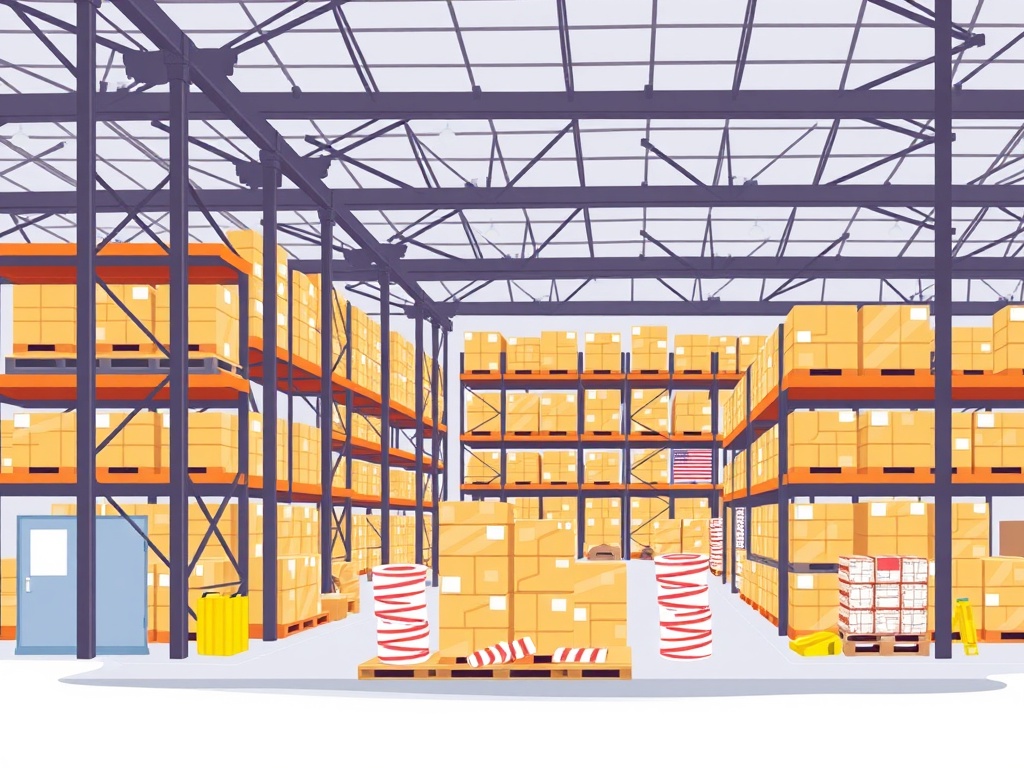
A bonded warehouse is a secure facility authorized by customs authorities where imported goods can be stored, manipulated, or undergo manufacturing processes without the immediate payment of import duties, taxes, or tariffs. These warehouses are typically used for goods in transit, re-export, or those awaiting customs clearance. They are governed by strict customs regulations and are subject to regular inspections.
Bonded warehouses are particularly valuable in industries such as pharmaceuticals, electronics, automotive parts, and perishable goods, where supply chains span multiple countries. They help businesses manage cash flow, defer tax liabilities, and streamline logistics. However, the very features that make bonded warehouses attractive—such as deferred duties, minimal oversight during storage, and the ability to move goods without immediate customs scrutiny—also make them vulnerable to misuse.
The AML Risk Profile of Bonded Warehouses
Money launderers and criminal organizations often exploit the opacity and flexibility of bonded warehouses to disguise the origin of illicit funds. Common AML risks include:
- Trade-based money laundering (TBML): Over- or under-invoicing goods, mislabeling shipments, or creating fictitious trade transactions to move value across borders.
- Smuggling and misdeclaration: Concealing high-value goods (e.g., precious metals, cash, or restricted items) within legitimate shipments.
- Layering through multiple jurisdictions: Using a network of bonded warehouses in different countries to obscure the audit trail of illicit funds.
- Beneficial ownership concealment: Hiding the true owners of goods through complex corporate structures or nominee entities.
According to the Financial Action Task Force (FATF), trade-based money laundering accounts for up to 3% of global GDP annually, with bonded warehouses frequently cited as high-risk nodes in these schemes. As a result, customs authorities and financial regulators increasingly require warehouse operators to implement rigorous AML check bonded warehouse procedures as part of broader trade compliance programs.
Regulatory Framework Governing AML in Bonded Warehouses
Several international and national regulations mandate AML controls in bonded warehouses:
- FATF Recommendations: FATF’s Guidance on Trade-Based Money Laundering (2020) explicitly highlights the risks posed by bonded warehouses and calls for enhanced due diligence (EDD) on warehouse operators and their clients.
- EU AML Directives (e.g., 6AMLD): Require member states to apply AML controls to entities involved in the storage and movement of goods, including bonded warehouse operators.
- U.S. Bank Secrecy Act (BSA) and FinCEN Guidance: FinCEN has issued advisories warning financial institutions about the risks of trade-based money laundering through bonded warehouses, particularly in sectors like precious metals and electronics.
- Customs Regulations (e.g., U.S. CBP, EU Customs Code): Require warehouse operators to maintain records of goods, verify importers, and report suspicious activities.
Failure to comply with these regulations can result in severe penalties, including fines, loss of customs licenses, reputational damage, and even criminal liability for senior management. Therefore, implementing a robust AML check bonded warehouse framework is not optional—it is a cornerstone of responsible trade facilitation.
Key AML Risks in Bonded Warehouses: Red Flags and Warning Signs
Common Trade-Based Money Laundering Schemes
Criminals use a variety of tactics to exploit bonded warehouses for money laundering. Understanding these schemes is the first step in designing an effective AML check bonded warehouse program.
Below are some of the most prevalent methods:
- Over-Invoicing:
- Declaring a higher value for goods than their actual market price.
- Example: A shipment of electronics valued at $10,000 is declared as $50,000. The difference ($40,000) represents illicit funds being "washed" through the trade.
- Under-Invoicing:
- Undervaluing goods to reduce duties or taxes, with the difference paid in cash or transferred offshore.
- Example: A shipment of gold is declared at $1 million instead of $5 million. The $4 million shortfall may be laundered through a foreign bank account.
- Mislabeling:
- Declaring goods as lower-risk items (e.g., machinery) when they are actually high-value commodities (e.g., gold, diamonds, or cash).
- Example: A shipment labeled as "textiles" contains gold bars.
- Fictitious Trade:
- Creating fake invoices, bills of lading, or purchase orders to justify the movement of funds.
- Example: A shell company exports goods to another shell company, with no actual goods changing hands.
- Multiple Invoicing:
- Issuing multiple invoices for the same shipment to obscure the true value or origin.
- Example: One invoice shows $10,000, another shows $20,000, and a third shows $30,000 for the same cargo.
- Beneficial Ownership Concealment:
- Using complex corporate structures, nominee directors, or offshore entities to hide the true owner of the goods.
- Example: A shipment is owned by a company registered in a secrecy jurisdiction with no clear link to the beneficial owner.
Geographic and Sector-Specific Risk Factors
Not all bonded warehouses pose the same level of AML risk. Certain regions and industries are disproportionately targeted due to weak regulatory oversight, high-value commodities, or geopolitical instability.
High-risk factors include:
- Jurisdictions with Weak AML Enforcement: Countries with limited customs transparency, high corruption indices, or limited FATF compliance.
- High-Value Commodities: Precious metals (gold, platinum), gemstones, electronics, pharmaceuticals, and luxury goods.
- Free Trade Zones (FTZs): While FTZs promote trade, they can also facilitate anonymity and reduced scrutiny, making them attractive to money launderers.
- Cash-Intensive Industries: Used car exports, art trade, and high-end retail often involve large cash transactions that can be laundered through bonded storage.
- Conflict Zones and Sanctioned Regions: Shipments originating from or transiting through areas under sanctions or conflict can signal higher risk.
Warehouse operators must conduct a thorough AML check bonded warehouse risk assessment that considers these factors when onboarding clients and monitoring ongoing transactions.
Behavioral and Transactional Red Flags
Beyond structural risks, certain behavioral and transactional patterns can signal potential AML violations in bonded warehouses:
- Unusual Shipping Patterns:
- Frequent shipments of the same type of goods with inconsistent documentation.
- Goods moving in and out of the warehouse rapidly without clear business justification.
- Lack of Transparency:
- Clients refusing to provide complete ownership information or beneficial ownership details.
- Use of intermediaries or third-party logistics providers with no clear role.
- Cash Payments or Unusual Payment Methods:
- Large cash deposits or payments from unrelated third parties.
- Use of virtual currencies or prepaid cards for storage fees.
- Inconsistent or Suspicious Documentation:
- Missing or altered invoices, bills of lading, or customs declarations.
- Discrepancies between declared and actual cargo (e.g., weight, volume, or type).
- Rapid Changes in Ownership or Control:
- Sudden transfer of warehouse space or goods to new entities with no prior business history.
Recognizing these red flags is essential for timely intervention. A proactive AML check bonded warehouse system should integrate real-time monitoring, anomaly detection, and escalation protocols to address suspicious activity promptly.
Implementing an Effective AML Check Program in Bonded Warehouses
Step 1: Conduct a Comprehensive Risk Assessment
The foundation of any AML compliance program is a thorough risk assessment. This involves identifying, analyzing, and mitigating risks specific to your bonded warehouse operations.
Key components of a risk assessment include:
- Client Risk Profiling: Evaluate clients based on their industry, geographic location, transaction history, and ownership structure.
- Product Risk Analysis: Assess the AML risk associated with the types of goods stored (e.g., high-value, easily concealable, or restricted items).
- Geographic Risk Mapping: Identify high-risk jurisdictions based on FATF greylists, corruption indices, or sanctions lists.
- Operational Risk Review: Examine internal processes, such as access controls, inventory tracking, and documentation handling.
Once risks are identified, prioritize them based on likelihood and impact. High-risk clients or goods may require enhanced due diligence (EDD), while low-risk operations can be subject to simplified procedures.
Step 2: Customer Due Diligence (CDD) and Enhanced Due Diligence (EDD)
A robust AML check bonded warehouse program begins with rigorous customer due diligence. This process ensures that you know who your clients are, where their funds come from, and the legitimacy of their business activities.
Essential CDD steps include:
- Identity Verification: Collect and verify government-issued IDs, passports, or corporate registration documents.
- Beneficial Ownership Identification: Identify and verify the natural persons who ultimately own or control the client entity (in line with FATF’s 25% ownership threshold).
- Business Purpose Assessment: Understand the nature of the client’s business, supply chain, and expected transaction patterns.
- Ongoing Monitoring: Continuously update client information and reassess risk levels based on changes in behavior or transactions.
For high-risk clients, enhanced due diligence (EDD) is required. EDD may include:
- Obtaining additional documentation (e.g., audited financial statements, proof of source of funds).
- Conducting site visits or interviews with key personnel.
- Analyzing transaction patterns for anomalies.
- Consulting sanctions lists, PEP (Politically Exposed Persons) databases, and adverse media sources.
EDD should be documented and reviewed periodically to ensure ongoing compliance with AML check bonded warehouse standards.
Step 3: Implement Robust Record-Keeping and Documentation
Customs and AML regulations require bonded warehouse operators to maintain detailed records for a minimum of five to ten years. These records serve as both a compliance safeguard and a tool for internal audits and investigations.
Essential records include:
- Client Onboarding Documents: IDs, corporate registrations, beneficial ownership declarations, and risk assessments.
- Transaction Records: Invoices, bills of lading, customs declarations, payment receipts, and storage agreements.
- Inventory Logs: Detailed records of goods entering, leaving, or being manipulated within the warehouse, including timestamps and responsible personnel.
- Access Logs: Records of who accessed the warehouse, when, and for what purpose.
- Suspicious Activity Reports (SARs): Documentation of any red flags identified and actions taken.
All records should be stored securely, encrypted, and accessible to authorized personnel and regulators upon request. Digital record-keeping systems with audit trails are preferred to prevent tampering or loss.
Step 4: Monitor Transactions in Real Time
Passive record-keeping is insufficient in today’s high-risk trade environment. A proactive AML check bonded warehouse program requires real-time transaction monitoring to detect anomalies as they occur.
Key monitoring activities include:
- Automated Screening: Use software to screen clients, transactions, and counterparties against sanctions lists, PEP databases, and adverse media in real time.
- Behavioral Analytics: Apply machine learning models to identify unusual patterns, such as sudden spikes in storage volume, frequent changes in shipment details, or inconsistent payment methods.
- Threshold Monitoring: Set alerts for transactions exceeding predefined monetary thresholds or involving high-risk jurisdictions.
- Inventory Reconciliation: Regularly reconcile physical inventory with digital records to detect discrepancies that may indicate smuggling or misdeclaration.
When anomalies are detected, the system should automatically flag them for review by compliance officers, who can then initiate further investigation or file a suspicious activity report (SAR) with relevant authorities.
Step 5: Train Staff and Foster a Culture of Compliance
No AML program is effective without well-trained personnel. Staff at all levels—from warehouse managers to front-desk clerks—must understand AML risks, red flags, and reporting obligations.
Training should cover:
- AML Laws and Regulations: Overview of FATF, local AML laws, and customs regulations.
- Red Flag Recognition: How to identify suspicious behavior, documentation, or transaction patterns.
- Reporting Procedures: When and how to file SARs, including internal escalation paths.
- Data Privacy and Security: Protecting client information and complying with GDPR or other privacy laws.
- Ethical Conduct: Encouraging a speak-up culture where employees feel empowered to report concerns without fear of retaliation.
Training should be conducted regularly (at least annually) and tailored to specific roles. For example, warehouse staff may need more focus on inventory controls and access management, while compliance officers require in-depth training on regulatory updates and investigative techniques.
Technology and Innovation in AML Check for Bonded Warehouses
The Role of AI and Machine Learning in AML Detection
As money launderers become more sophisticated, so too must AML detection methods. Artificial intelligence (AI) and machine learning (ML) are revolutionizing AML check bonded warehouse programs by enabling faster, more accurate risk detection.
AI-powered tools can:
- Analyze Large Datasets: Process vast amounts of transactional, client, and shipment data to identify patterns that humans might miss.
- Detect Anomalies: Use unsupervised learning to flag transactions that deviate from expected norms (e.g., sudden changes in shipment frequency or value).
- Predict Risk: Apply predictive analytics to assess the likelihood of future suspicious activity based on historical data.
 David ChenDigital Assets Strategist
Optimizing Compliance and Efficiency: The Strategic Role of AML Checks in Bonded Warehouses
As a digital assets strategist with a background in traditional finance and cryptocurrency markets, I’ve observed that bonded warehouses—critical nodes in global supply chains—are increasingly intersecting with anti-money laundering (AML) compliance frameworks. The integration of AML checks within bonded warehouse operations isn’t just a regulatory checkbox; it’s a strategic lever for risk mitigation and operational resilience. From my experience analyzing on-chain data and market microstructure, I’ve seen how AML-compliant bonded warehouses can reduce exposure to illicit financial flows while enhancing transparency for stakeholders. These facilities, often used for storing high-value goods like precious metals or digital assets, must now adapt to a landscape where compliance is as valuable as efficiency. The key lies in leveraging technology—such as AI-driven transaction monitoring and blockchain-based provenance tracking—to streamline AML checks without compromising throughput.
Practically speaking, the implementation of AML checks in bonded warehouses requires a multi-layered approach. First, warehouses must align with international standards like FATF’s Travel Rule or the EU’s AMLD5, ensuring that all stored assets—whether physical or digital—are traceable from origin to destination. Second, the use of smart contracts and decentralized identity solutions can automate identity verification and transaction screening, reducing human error and operational bottlenecks. For digital asset custodians, this means integrating AML check bonded warehouse protocols directly into custody solutions, where every withdrawal or transfer triggers an automated compliance check. The result? A more secure, auditable, and investor-friendly ecosystem. In my view, the warehouses that embrace these innovations will not only stay ahead of regulatory scrutiny but also position themselves as trusted intermediaries in an increasingly complex financial landscape.