In today’s global financial landscape, financial institutions and businesses face increasing regulatory scrutiny, particularly concerning sanctions evasion and anti-money laundering (AML) compliance. Iran, due to its geopolitical context and historical sanctions, remains a high-risk jurisdiction for financial crime, including sanctions evasion. An effective AML check for Iran sanctions evasion is not just a legal obligation—it is a critical component of a robust compliance program that protects organizations from severe penalties, reputational damage, and operational disruptions.
This comprehensive guide explores the intricacies of AML check for Iran sanctions evasion, covering regulatory frameworks, risk assessment methodologies, best practices for due diligence, and the role of technology in enhancing compliance. Whether you are a compliance officer, risk manager, or business leader, understanding these concepts is essential to navigating the complex terrain of international sanctions and AML regulations.
Why Iran Remains a High-Risk Jurisdiction for Sanctions Evasion
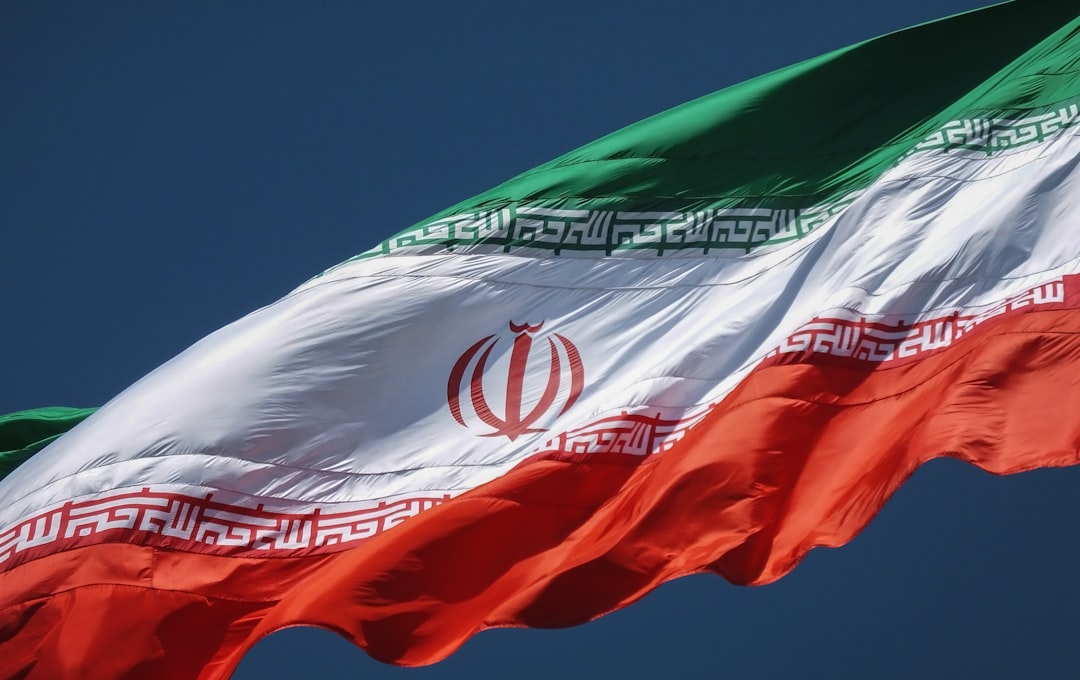
Iran has been subject to extensive international sanctions for decades, primarily due to concerns over its nuclear program, human rights violations, and support for regional militant groups. These sanctions, imposed by the United Nations, the European Union, and the United States, restrict financial transactions, trade, and access to global banking systems. Despite these measures, reports indicate persistent attempts by Iranian entities and individuals to circumvent sanctions through complex financial networks, trade mispricing, and the use of front companies.
According to the Financial Action Task Force (FATF), Iran has made progress in addressing deficiencies in its AML/CFT regime, but significant risks remain. The FATF continues to call for enhanced vigilance, particularly in monitoring transactions involving Iranian counterparties, intermediaries, and jurisdictions known for facilitating sanctions evasion.
The Role of Financial Institutions in Detecting Sanctions Evasion
Financial institutions play a pivotal role in detecting and preventing sanctions evasion. They are often the first line of defense against illicit financial flows and must implement rigorous AML check for Iran sanctions evasion procedures. Failure to do so can result in severe consequences, including:
- Regulatory fines: The Office of Foreign Assets Control (OFAC) has imposed billions in penalties on institutions for sanctions violations, including those related to Iran.
- Reputational damage: Being linked to sanctions evasion can erode customer trust and damage brand integrity.
- Operational disruptions: Sanctions violations can lead to the freezing of assets, termination of correspondent banking relationships, and exclusion from global payment networks.
- Criminal liability: In some jurisdictions, senior executives may face personal liability for failing to implement adequate AML controls.
To mitigate these risks, institutions must adopt a proactive approach to sanctions screening and monitoring, integrating advanced technologies and continuous training programs.
Regulatory Frameworks Governing AML and Iran Sanctions
Several key regulatory frameworks govern AML compliance and sanctions screening, particularly concerning Iran. Understanding these regulations is essential for designing an effective AML check for Iran sanctions evasion program.
1. United States Sanctions: OFAC Regulations
The Office of Foreign Assets Control (OFAC) administers and enforces economic sanctions programs targeting Iran. OFAC’s regulations prohibit U.S. persons and entities from engaging in transactions with Iranian individuals, entities, or vessels, unless authorized by a specific license. Key provisions include:
- 50% Rule: Funds or assets blocked under OFAC regulations extend to entities owned 50% or more by one or more blocked persons.
- Secondary Sanctions: Non-U.S. entities may also face penalties if they facilitate significant transactions for Iranian entities subject to U.S. sanctions.
- Sectoral Sanctions: These target specific sectors of the Iranian economy, such as energy, shipping, and financial services.
Institutions must screen transactions against OFAC’s Specially Designated Nationals and Blocked Persons List (SDN List) and other sectoral sanctions lists to ensure compliance with U.S. regulations.
2. European Union Sanctions Against Iran
The European Union has also imposed sanctions on Iran, including restrictions on trade, financial services, and oil imports. These sanctions are implemented through EU regulations such as Council Regulation (EU) No 267/2012 and subsequent amendments. Key elements include:
- Asset Freezes: EU sanctions target individuals and entities linked to Iran’s nuclear program and human rights abuses.
- Trade Restrictions: The EU prohibits the import of Iranian oil and gas, as well as certain dual-use goods.
- Financial Restrictions: EU banks are prohibited from providing financial services to Iranian banks, except in limited humanitarian cases.
Financial institutions operating in the EU must conduct thorough due diligence to ensure they are not facilitating transactions that violate EU sanctions against Iran.
3. FATF Recommendations and Iran’s AML/CFT Regime
The FATF sets international standards for AML and counter-terrorist financing (CFT) and monitors countries’ compliance with these standards. Iran was previously subject to a call for countermeasures due to strategic deficiencies in its AML/CFT regime. While Iran has made progress, the FATF continues to urge member countries to apply enhanced due diligence measures when dealing with Iranian counterparties.
Key FATF recommendations relevant to AML check for Iran sanctions evasion include:
- Recommendation 7: Countries should implement targeted financial sanctions related to proliferation financing.
- Recommendation 10: Financial institutions must conduct customer due diligence (CDD) and enhanced due diligence (EDD) for high-risk customers.
- Recommendation 16: Countries should ensure that wire transfers include complete originator and beneficiary information to prevent anonymity.
Institutions must align their AML programs with these recommendations to ensure robust compliance and reduce the risk of sanctions evasion.
Risk Assessment: Identifying High-Risk Factors for Iran Sanctions Evasion
An effective AML check for Iran sanctions evasion begins with a comprehensive risk assessment. This process involves identifying high-risk factors associated with Iran and its financial networks, enabling institutions to prioritize their compliance efforts and allocate resources efficiently.
1. Geographic Risk Factors
Certain jurisdictions are considered high-risk for facilitating sanctions evasion involving Iran. These include:
- United Arab Emirates (UAE): Dubai and other free zones have been identified as hubs for trade-based money laundering and sanctions evasion.
- Turkey: Due to its geographic proximity and trade relationships with Iran, Turkey is a common transit point for illicit financial flows.
- China: Reports indicate that Chinese entities have engaged in transactions with Iranian banks and companies despite sanctions.
- Iraq: Certain regions in Iraq, particularly the Kurdistan Regional Government, have been linked to sanctions evasion networks.
Institutions should assess their exposure to these jurisdictions and implement enhanced monitoring for transactions involving Iranian counterparties or intermediaries in these regions.
2. Sectoral Risk Factors
Certain sectors are particularly vulnerable to sanctions evasion involving Iran. These include:
- Energy Sector: Iran’s oil and gas industry has historically been a target for sanctions evasion, with ship-to-ship transfers and falsified documentation used to obscure the origin of oil shipments.
- Shipping and Maritime: Iranian vessels and shipping companies have been linked to sanctions evasion through the use of front companies and falsified bills of lading.
- Financial Services: Iranian banks and financial institutions have been known to use correspondent banking relationships and shell companies to bypass sanctions.
- Trade and Commodities: Trade-based money laundering, including under-invoicing and over-invoicing, is a common method for evading sanctions.
Institutions operating in these sectors must implement sector-specific controls to detect and prevent sanctions evasion.
3. Customer and Transaction Risk Factors
Certain customer profiles and transaction patterns are indicative of potential sanctions evasion. These include:
- Shell Companies and Front Entities: Transactions involving shell companies with no legitimate business purpose or opaque ownership structures are high-risk.
- High-Risk Jurisdictions: Customers or counterparties located in jurisdictions known for weak AML/CFT controls or sanctions evasion should be treated with enhanced scrutiny.
- Unusual Transaction Patterns: Large, frequent, or round-dollar transactions with no clear economic justification may indicate sanctions evasion.
- Third-Party Payments: Transactions involving third-party payments or intermediaries without a clear business rationale are high-risk.
- Use of Cryptocurrencies: While not exclusive to Iran, the use of cryptocurrencies to facilitate cross-border transactions can obscure the origin and destination of funds.
Institutions should develop risk profiles for customers and transactions, incorporating these factors into their AML check for Iran sanctions evasion procedures.
Best Practices for Conducting an AML Check for Iran Sanctions Evasion
Implementing an effective AML check for Iran sanctions evasion requires a multi-layered approach that combines robust policies, advanced technologies, and continuous monitoring. The following best practices can help institutions enhance their compliance programs and reduce the risk of sanctions violations.
1. Implementing a Risk-Based Approach
A risk-based approach to AML and sanctions compliance involves tailoring controls and monitoring based on the level of risk posed by a customer, transaction, or jurisdiction. Key steps include:
- Customer Due Diligence (CDD): Conduct thorough background checks on customers, including screening against sanctions lists, adverse media, and politically exposed persons (PEPs).
- Enhanced Due Diligence (EDD): For high-risk customers, such as those in high-risk jurisdictions or sectors, implement EDD measures, including additional documentation, source of funds verification, and ongoing monitoring.
- Transaction Monitoring: Use automated systems to monitor transactions in real-time, flagging suspicious activities such as rapid movement of funds, structuring, or transactions with no clear economic purpose.
- Periodic Reviews: Regularly review and update customer risk profiles to reflect changes in risk factors, such as new sanctions designations or adverse media reports.
By adopting a risk-based approach, institutions can allocate resources more efficiently and focus on high-risk areas.
2. Screening Against Sanctions Lists
Screening customers, transactions, and counterparties against sanctions lists is a critical component of an AML check for Iran sanctions evasion. Institutions should screen against:
- OFAC SDN List: The primary list of individuals and entities subject to U.S. sanctions.
- OFAC Sectoral Sanctions Identifications (SSI) List: Entities subject to sectoral sanctions under Executive Order 13622.
- OFAC Non-SDN Iranian Sanctions List: Additional Iranian entities subject to sanctions.
- EU Sanctions Lists: Lists of individuals and entities subject to EU sanctions against Iran.
- UN Sanctions Lists: Lists maintained by the United Nations Security Council.
- FATF High-Risk Jurisdictions: Jurisdictions identified by the FATF as having strategic deficiencies in their AML/CFT regimes.
Screening should be conducted in real-time or near real-time to prevent prohibited transactions from occurring. Institutions should also maintain an audit trail of screening results and actions taken in response to matches.
3. Leveraging Technology for Enhanced Compliance
Technology plays a crucial role in enhancing the effectiveness and efficiency of an AML check for Iran sanctions evasion. Advanced tools and solutions can help institutions automate screening, monitor transactions, and identify suspicious activities. Key technologies include:
- Sanctions Screening Software: Automated systems that screen customers and transactions against multiple sanctions lists in real-time, reducing the risk of human error and improving accuracy.
- Transaction Monitoring Systems: AI and machine learning-powered tools that analyze transaction patterns, detect anomalies, and flag suspicious activities for further investigation.
- Know Your Customer (KYC) Platforms: Digital platforms that streamline customer onboarding, identity verification, and risk assessment, ensuring compliance with AML and sanctions regulations.
- Blockchain Analytics: Tools that analyze blockchain transactions to identify illicit financial flows, including those involving cryptocurrencies used to evade sanctions.
- Regulatory Technology (RegTech): Solutions that help institutions stay up-to-date with evolving regulations, automate reporting, and manage compliance workflows.
By integrating these technologies into their compliance programs, institutions can enhance their ability to detect and prevent sanctions evasion involving Iran.
4. Conducting Enhanced Due Diligence (EDD) for High-Risk Customers
For customers or transactions deemed high-risk, institutions should conduct enhanced due diligence (EDD) to gain a deeper understanding of the underlying risks. EDD measures may include:
- Source of Funds Verification: Obtaining and verifying documentation that demonstrates the legitimate origin of funds, such as bank statements, invoices, or tax records.
- Beneficial Ownership Identification: Identifying and verifying the ultimate beneficial owners (UBOs) of corporate customers, including those using complex ownership structures.
- Adverse Media Screening: Conducting searches for negative news, sanctions, or regulatory actions related to the customer or its associates.
- On-Site Visits: For high-risk customers, conducting on-site visits or inspections to verify the legitimacy of the business and its operations.
- Ongoing Monitoring: Continuously monitoring customer transactions and activities to detect any changes in risk profile or suspicious behavior.
EDD should be proportionate to the level of risk posed by the customer and conducted in accordance with regulatory expectations.
5. Training and Awareness Programs
Human error and lack of awareness are common causes of sanctions violations. To mitigate these risks, institutions should implement comprehensive training and awareness programs for employees, particularly those involved in customer onboarding, transaction monitoring, and compliance. Key elements of an effective training program include:
- Regulatory Updates: Regular training on changes to sanctions regulations, such as new designations or amendments to existing programs.
- Case Studies: Analyzing real-world examples of sanctions evasion and AML failures to highlight common red flags and best practices.
- Scenario-Based Training: Simulating high-risk scenarios, such as transactions involving Iranian counterparties or jurisdictions, to test employees’ ability to identify and respond to suspicious activities.
- Role-Specific Training: Tailoring training programs to the specific roles and responsibilities of employees, such as frontline staff, compliance officers, and senior management.
- Assessment and Certification: Conducting regular assessments to evaluate employees’ understanding of AML and sanctions compliance, with certification upon completion.
By fostering a culture of compliance and awareness, institutions can reduce the likelihood of sanctions violations and enhance their overall AML program effectiveness.
Common Red Flags of Iran Sanctions Evasion
Identifying red flags is a critical component of an effective AML check for Iran sanctions evasion. These red flags can help institutions detect suspicious activities and take appropriate action to mitigate risks. The following are common red flags associated with sanctions evasion involving Iran:
1. Trade-Based Red Flags
Trade-based money laundering is a common method for evading sanctions, particularly in sectors such as energy, shipping, and commodities. Red flags in trade transactions include:
- Falsified or Incomplete Documentation: Bills of lading, invoices, or certificates of origin that contain inconsistencies, errors, or missing information.
- Under-Invoicing or Over-Invoicing: Transactions where the value of goods or services is significantly lower or higher than market value, often to obscure the true nature of the transaction.
- Use of Shell Companies: Transactions involving shell companies with no legitimate business purpose or opaque ownership structures.
- Rapid Movement of Goods: Shipments that are quickly transshipped or re-exported without a clear business rationale.
- Use of Trade Intermediaries: Transactions involving multiple intermediaries or third parties without a clear business purpose.
Institutions should scrutinize trade transactions involving Iranian counterparties or jurisdictions known for facilitating sanctions evasion, particularly in high-risk sectors.
2. Financial Red Flags
Financial transactions involving

AML Check Iran Sanctions Evasion: A Digital Assets Strategist’s Perspective on Emerging Risks
As a digital assets strategist with a background in traditional finance and cryptocurrency markets, I’ve observed that Iran’s use of digital assets to evade sanctions has evolved from a theoretical risk to a tangible operational challenge for compliance teams. The Islamic Republic has increasingly leveraged decentralized finance (DeFi) protocols, cross-border stablecoin transfers, and obfuscation techniques such as chain-hopping and mixing services to bypass traditional financial surveillance. While blockchain transparency offers unparalleled traceability, the pseudonymous nature of many digital assets—particularly privacy coins and non-KYC exchanges—creates significant blind spots in AML (Anti-Money Laundering) frameworks. My on-chain analytics work has revealed that Iranian entities often exploit layer-2 solutions and privacy-preserving protocols to fragment transactions, making it difficult for legacy compliance systems to reconstruct illicit flows. This underscores the urgent need for next-generation AML tools that integrate real-time transaction monitoring with behavioral pattern recognition.
Practically, financial institutions must adopt a multi-layered approach to mitigate sanctions evasion risks tied to Iran. First, they should prioritize sanctions screening tools that incorporate blockchain-specific intelligence, including IP geolocation, wallet clustering, and interaction with known Iranian-associated nodes. Second, proactive engagement with regulators and industry consortia—such as the FATF’s Virtual Asset Red Flag Indicators—can help refine detection models. I’ve found that entities using atomic swaps or decentralized exchanges (DEXs) with low liquidity thresholds are particularly vulnerable to misuse, as they often lack robust KYC controls. Finally, collaboration between traditional banks and crypto-native compliance platforms is essential; integrating fiat-to-crypto on-ramp monitoring with AML checks can close the gap where sanctions evasion often begins. Without this, the digital asset ecosystem risks becoming a sanctioned jurisdiction’s preferred financial runway.