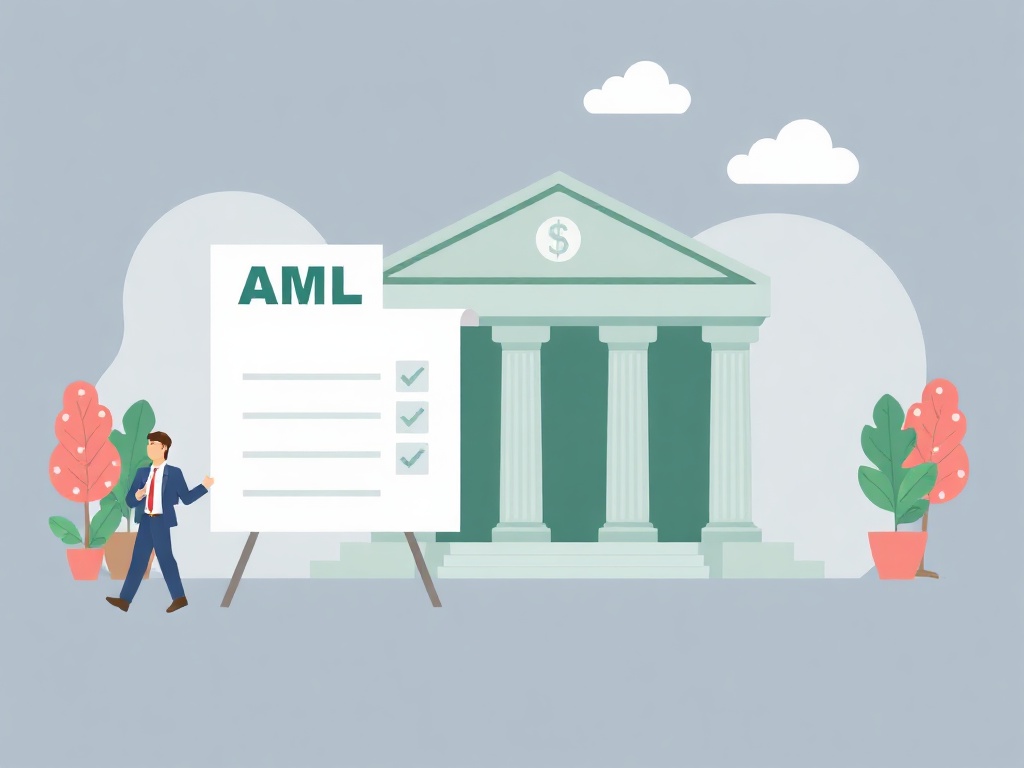
In the rapidly evolving world of digital finance, AML check custodial wallets have emerged as a critical component for ensuring regulatory compliance and safeguarding user assets. As cryptocurrencies gain mainstream adoption, financial institutions, exchanges, and custodial service providers must implement robust AML (Anti-Money Laundering) measures to prevent illicit activities such as money laundering, terrorist financing, and fraud.
This comprehensive guide explores the concept of AML check custodial wallets, their importance in the financial ecosystem, and the best practices for implementing effective AML checks. Whether you're a financial institution, a crypto exchange, or an individual investor, understanding these mechanisms is essential for maintaining security and compliance in the digital asset space.
---The Role of AML Check Custodial Wallets in Financial Compliance
What Is an AML Check Custodial Wallet?
A custodial wallet is a digital wallet where a third-party service provider holds and manages the private keys on behalf of the user. Unlike non-custodial wallets, where users have full control over their assets, custodial wallets require users to trust the provider with the security and management of their funds.
An AML check custodial wallet goes a step further by integrating Anti-Money Laundering (AML) compliance measures directly into the wallet's operations. These checks are designed to monitor transactions, identify suspicious activities, and ensure adherence to regulatory requirements such as the Bank Secrecy Act (BSA), FATF (Financial Action Task Force) guidelines, and other jurisdictional AML laws.
Why Are AML Checks Essential for Custodial Wallets?
Custodial wallets are particularly vulnerable to misuse due to their centralized nature. Without proper AML checks, these wallets can become conduits for illicit activities, exposing financial institutions to legal risks, reputational damage, and financial penalties. Implementing an AML check custodial wallet helps mitigate these risks by:
- Detecting suspicious transactions: AML checks analyze transaction patterns to identify unusual behavior, such as large transfers, rapid movements between wallets, or transactions involving high-risk jurisdictions.
- Ensuring regulatory compliance: Financial institutions must comply with AML regulations to avoid hefty fines and legal consequences. An AML check custodial wallet ensures that all transactions adhere to these regulations.
- Protecting user funds: By monitoring transactions in real-time, custodial wallets can freeze or block suspicious activities, preventing unauthorized access and potential losses.
- Enhancing trust and transparency: Users and regulators are more likely to trust a custodial wallet provider that demonstrates a commitment to AML compliance.
Key Regulatory Frameworks Governing AML Checks
Several regulatory bodies and frameworks govern AML compliance for custodial wallets, including:
- Bank Secrecy Act (BSA) (U.S.): Requires financial institutions to implement AML programs, including customer due diligence (CDD) and suspicious activity reporting (SAR).
- FATF Recommendations: The Financial Action Task Force sets global standards for AML and Counter-Terrorist Financing (CTF), including the "Travel Rule" for crypto transactions.
- EU's 5th and 6th Anti-Money Laundering Directives (5AMLD & 6AMLD): These directives expand AML requirements to include crypto-asset service providers and enhance due diligence measures.
- MiCA Regulation (EU): The Markets in Crypto-Assets Regulation introduces strict AML and operational requirements for crypto-asset service providers, including custodial wallet providers.
- Travel Rule (FATF): Requires crypto service providers to share transaction information (e.g., sender and recipient details) for transactions exceeding a certain threshold.
Failure to comply with these regulations can result in severe penalties, including fines, license revocation, and criminal charges. Therefore, implementing an AML check custodial wallet is not just a best practice—it's a legal necessity.
---How AML Check Custodial Wallets Work: Mechanisms and Processes
Transaction Monitoring and Screening
One of the primary functions of an AML check custodial wallet is transaction monitoring. This involves analyzing every transaction in real-time to detect suspicious activities. Key components of transaction monitoring include:
- Risk Scoring: Transactions are assigned risk scores based on factors such as transaction size, frequency, geographic location, and counterparty risk. High-risk transactions trigger further investigation.
- Pattern Recognition: AML systems use machine learning and AI to identify unusual transaction patterns, such as rapid movements of funds between wallets or transactions involving sanctioned entities.
- Sanctions Screening: Custodial wallets must screen transactions against global sanctions lists (e.g., OFAC, UN, EU sanctions) to prevent dealings with prohibited entities or jurisdictions.
- Beneficial Ownership Verification: AML checks verify the true owners of funds, particularly in cases involving corporate accounts or complex ownership structures.
Customer Due Diligence (CDD) and Know Your Customer (KYC)
Before allowing users to transact on an AML check custodial wallet, providers must conduct thorough Customer Due Diligence (CDD) and Know Your Customer (KYC) processes. These steps are critical for identifying and verifying the identity of users and assessing their risk profiles.
Key components of CDD and KYC include:
- Identity Verification: Users must provide government-issued IDs, passports, or other valid documents to confirm their identity.
- Address Verification: Proof of address documents (e.g., utility bills, bank statements) are required to verify the user's residential or business address.
- Source of Funds (SOF) Verification: Users must explain the origin of their funds to ensure they are not derived from illicit activities.
- Ongoing Monitoring: AML compliance is not a one-time process. Providers must continuously monitor user activities and update risk assessments as needed.
For high-risk customers, providers may implement Enhanced Due Diligence (EDD), which includes additional verification steps such as enhanced background checks, source of wealth verification, and ongoing transaction monitoring.
Suspicious Activity Reporting (SAR) and Record-Keeping
When an AML check custodial wallet detects suspicious activity, it must file a Suspicious Activity Report (SAR) with the appropriate regulatory authorities. SARs are confidential reports that detail the suspicious activity, including the parties involved, transaction amounts, and supporting evidence.
Key aspects of SAR and record-keeping include:
- Timely Reporting: SARs must be filed within the regulatory deadlines (e.g., within 30 days of detecting suspicious activity in the U.S.).
- Documentation Retention: Providers must maintain records of all transactions, customer information, and AML-related activities for a specified period (e.g., 5-7 years in the U.S.).
- Confidentiality: SARs are protected by law, and providers must ensure that the information is not disclosed to the parties involved in the suspicious activity.
Integration with Blockchain Analytics Tools
Modern AML check custodial wallets leverage blockchain analytics tools to enhance their monitoring capabilities. These tools analyze on-chain data to trace the flow of funds, identify high-risk addresses, and detect illicit activities such as mixers, tumblers, or darknet market transactions.
Popular blockchain analytics platforms include:
- Chainalysis: Provides transaction monitoring, risk assessment, and compliance solutions for crypto businesses.
- Elliptic: Offers blockchain analytics and AML compliance tools to detect illicit transactions and comply with regulations.
- TRM Labs: Specializes in crypto compliance and risk management, including sanctions screening and transaction monitoring.
- CipherTrace: Provides AML and CTF solutions for crypto businesses, including real-time transaction monitoring and risk scoring.
By integrating these tools, custodial wallet providers can enhance their AML checks, reduce false positives, and improve the accuracy of their compliance efforts.
---Challenges and Risks Associated with AML Check Custodial Wallets
Balancing Compliance with User Privacy
One of the biggest challenges in implementing an AML check custodial wallet is balancing compliance with user privacy. While AML regulations require extensive monitoring and reporting, users expect their financial activities to remain confidential. Striking this balance is crucial for maintaining user trust and avoiding regulatory scrutiny.
Solutions to this challenge include:
- Pseudonymization: Using anonymized identifiers (e.g., wallet addresses) instead of real names in transaction records to protect user privacy.
- Data Minimization: Collecting only the necessary data for AML compliance and avoiding excessive collection of personal information.
- Transparent Communication: Clearly explaining to users how their data is used for AML purposes and obtaining their consent where required.
Dealing with False Positives in Transaction Monitoring
Transaction monitoring systems often generate false positives, flagging legitimate transactions as suspicious. This can lead to unnecessary delays, user frustration, and increased operational costs for custodial wallet providers.
To mitigate false positives, providers can:
- Refine Risk Models: Continuously update risk scoring models based on historical data and feedback from compliance teams.
- Implement Tiered Monitoring: Apply different levels of scrutiny based on the user's risk profile (e.g., low-risk users undergo basic monitoring, while high-risk users are subject to enhanced scrutiny).
- Leverage AI and Machine Learning: Use advanced algorithms to improve the accuracy of transaction monitoring and reduce false positives.
Navigating Cross-Border AML Regulations
Custodial wallet providers operating in multiple jurisdictions face the challenge of navigating diverse AML regulations. Each country has its own set of rules, reporting requirements, and enforcement mechanisms, making compliance complex and resource-intensive.
To address this challenge, providers can:
- Adopt a Global Compliance Framework: Implement a standardized AML compliance program that aligns with the strictest regulatory requirements (e.g., FATF guidelines).
- Leverage Regulatory Sandboxes: Participate in regulatory sandboxes offered by jurisdictions like the UK, Singapore, or Switzerland to test and refine AML compliance measures.
- Collaborate with Local Experts: Work with legal and compliance experts in each jurisdiction to ensure adherence to local AML laws.
Addressing the Rise of Decentralized Finance (DeFi) and Non-Custodial Wallets
The growth of Decentralized Finance (DeFi) and non-custodial wallets presents a significant challenge to AML compliance. Unlike custodial wallets, DeFi platforms and non-custodial wallets operate without intermediaries, making it difficult to enforce AML checks.
To address this issue, custodial wallet providers can:
- Implement Interoperability Solutions: Develop tools that allow custodial wallets to interact with DeFi platforms while maintaining AML compliance (e.g., through smart contract-based transaction monitoring).
- Educate Users: Raise awareness among users about the risks of using non-custodial wallets for illicit activities and promote the use of compliant custodial solutions.
- Advocate for Regulatory Clarity: Work with industry associations and regulators to establish clear guidelines for AML compliance in the DeFi space.
Best Practices for Implementing an AML Check Custodial Wallet
Developing a Robust AML Compliance Program
To ensure the effectiveness of an AML check custodial wallet, providers must develop a comprehensive AML compliance program. This program should include:
- Designated Compliance Officer: Appoint a qualified compliance officer responsible for overseeing AML efforts and ensuring adherence to regulations.
- Written Policies and Procedures: Document all AML policies, including customer due diligence, transaction monitoring, and suspicious activity reporting.
- Employee Training: Provide regular training to employees on AML regulations, red flags, and reporting procedures.
- Independent Audits: Conduct periodic audits to assess the effectiveness of the AML program and identify areas for improvement.
- Technology Integration: Invest in advanced AML software and blockchain analytics tools to enhance monitoring and compliance efforts.
Choosing the Right AML Software and Tools
Selecting the right AML software is critical for the success of an AML check custodial wallet. Key factors to consider when choosing AML tools include:
- Regulatory Coverage: Ensure the software supports compliance with relevant AML regulations (e.g., BSA, FATF, 5AMLD).
- Integration Capabilities: The tool should seamlessly integrate with existing systems, such as KYC providers, blockchain analytics platforms, and transaction monitoring systems.
- Scalability: The software should be able to handle large volumes of transactions and users without compromising performance.
- User-Friendly Interface: A well-designed interface can improve efficiency and reduce the learning curve for compliance teams.
- Cost-Effectiveness: Evaluate the total cost of ownership, including licensing fees, implementation costs, and ongoing maintenance.
Popular AML software solutions for custodial wallets include:
- ComplyAdvantage: Offers AI-driven AML compliance solutions for crypto businesses.
- Sumsub: Provides end-to-end KYC and AML compliance tools for fintech and crypto companies.
- Onfido: Specializes in identity verification and AML compliance for digital businesses.
- IdentityMind Global: Delivers risk-based AML and KYC solutions for crypto and traditional financial institutions.
Ensuring Effective Customer Due Diligence (CDD)
Customer Due Diligence (CDD) is the foundation of an effective AML check custodial wallet. To ensure thorough CDD, providers should:
- Implement Risk-Based Approaches: Tailor CDD measures based on the user's risk profile (e.g., low-risk users undergo simplified due diligence, while high-risk users require enhanced due diligence).
- Verify Identity Documents: Use advanced document verification tools to detect fraudulent or tampered IDs.
- Monitor Transactions in Real-Time: Continuously track user activities to identify suspicious behavior.
- Update Customer Information Regularly: Re-verify customer details periodically to ensure accuracy and compliance.
Leveraging Blockchain Analytics for Enhanced Monitoring
Blockchain analytics tools play a crucial role in enhancing the effectiveness of an AML check custodial wallet. These tools provide insights into transaction flows, identify high-risk addresses, and detect illicit activities. To maximize their benefits, providers should:
- Integrate Multiple Analytics Platforms: Use a combination of tools (e.g., Chainalysis, Elliptic, TRM Labs) to gain a comprehensive view of transaction risks.
- Set Up Automated Alerts: Configure the system to generate alerts for high-risk transactions or addresses.
- Analyze Transaction Patterns: Use historical data to identify trends and patterns associated with illicit activities.
- Collaborate with Industry Peers: Share insights and best practices with other custodial wallet providers to improve collective AML efforts.
Staying Updated with Regulatory Changes
AML regulations are constantly evolving, and custodial wallet providers must stay ahead of the curve to maintain compliance. To keep up with regulatory changes, providers should:
- Monitor Regulatory Updates: Regularly review updates from regulatory bodies such as FATF, FinCEN, and the EU.
- Participate in Industry Associations: Join organizations like the Global Digital Finance (GDF) or the Blockchain Association to stay informed about industry trends and regulatory developments.
- Engage with Reg
 David ChenDigital Assets Strategist
Why AML Checks for Custodial Wallets Are Critical in Digital Asset Security
As a digital assets strategist with a background in both traditional finance and cryptocurrency markets, I’ve observed firsthand how custodial wallets—while offering convenience and institutional-grade security—introduce unique compliance challenges. An AML check custodial wallet isn’t just a regulatory checkbox; it’s a foundational layer of risk mitigation that protects institutions and users alike. Unlike self-custody solutions, custodial wallets aggregate large volumes of transactions, making them prime targets for illicit activity such as money laundering or sanctions evasion. A robust AML framework ensures that custodians can trace funds, flag suspicious patterns, and comply with global regulations like FATF’s Travel Rule or the EU’s MiCA framework. Without it, custodians expose themselves—and their clients—to reputational, legal, and financial risks that far outweigh the benefits of centralized control.
From a practical standpoint, implementing an effective AML check custodial wallet system requires more than just basic transaction monitoring. It demands a multi-layered approach: real-time blockchain analytics to detect high-risk addresses, automated sanctions screening against OFAC or UN lists, and behavioral modeling to identify anomalous transaction flows. Institutions should prioritize custodians that integrate AI-driven compliance tools with traditional KYC/AML procedures, as static rule-based systems often fail to adapt to evolving threats. Additionally, transparency in reporting—such as disclosing the wallet’s AML policies or audit results—can serve as a competitive differentiator, attracting institutional clients who prioritize compliance. In an era where regulators are tightening scrutiny on crypto, a proactive AML strategy isn’t just prudent; it’s a business imperative.