The AML check G20 crypto regulation roadmap represents a pivotal step in shaping the future of cryptocurrency governance worldwide. As digital assets continue to permeate global financial systems, the Group of Twenty (G20) has emerged as a key architect in establishing robust anti-money laundering (AML) frameworks. This comprehensive roadmap not only addresses the unique risks posed by cryptocurrencies but also fosters international cooperation to ensure a secure and transparent digital asset ecosystem.
In this article, we explore the evolution of the AML check G20 crypto regulation roadmap, its core components, and its implications for governments, financial institutions, and crypto businesses. We also examine how this roadmap aligns with existing AML regulations, such as the Financial Action Task Force (FATF) Travel Rule, and what it means for compliance professionals navigating an increasingly complex regulatory landscape.
The Evolution of AML Regulations in the Crypto Space: From G20 Declarations to Actionable Frameworks
The G20’s Role in Global Financial Governance
The G20, comprising 19 countries and the European Union, plays a crucial role in coordinating international economic policies. Recognizing the rapid growth of cryptocurrencies, the G20 has prioritized the development of a unified AML check G20 crypto regulation roadmap to mitigate risks such as money laundering, terrorist financing, and fraud. Unlike traditional financial systems, cryptocurrencies operate across borders with minimal oversight, making them attractive to illicit actors. The G20’s proactive stance reflects a commitment to closing regulatory gaps and ensuring that digital assets do not become a haven for financial crime.
Key Milestones in the AML Check G20 Crypto Regulation Roadmap
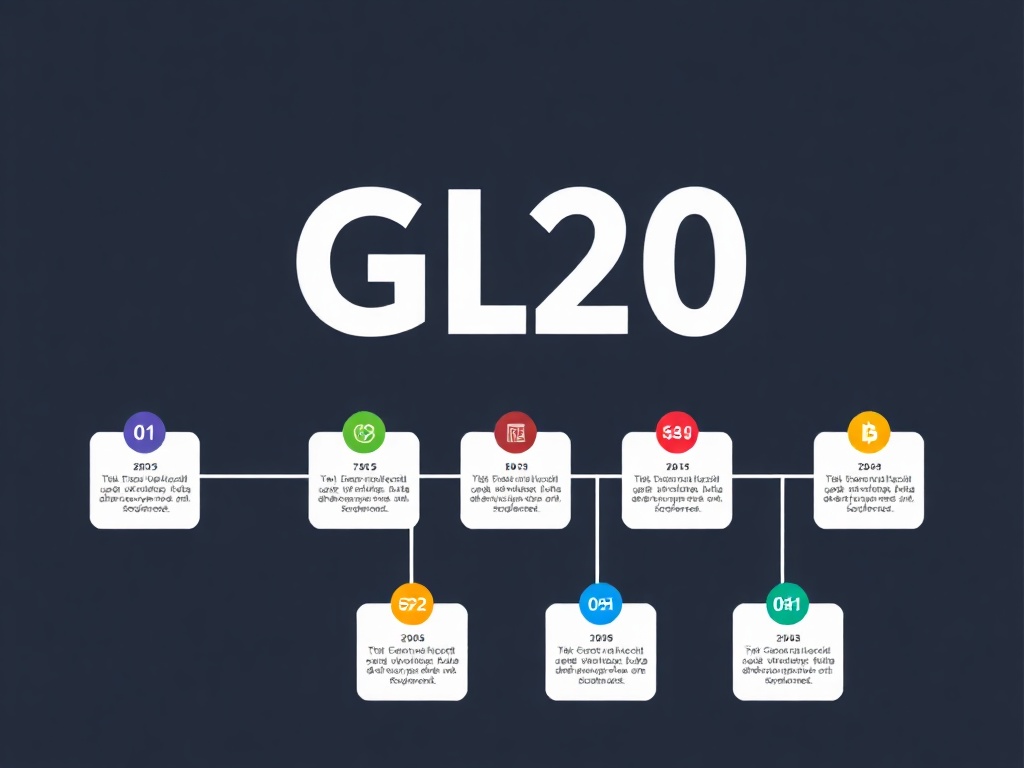
The journey toward a standardized AML check G20 crypto regulation roadmap has been marked by several critical milestones:
- 2018 G20 Buenos Aires Summit: The G20 first acknowledged cryptocurrencies as a potential risk to financial stability and called for coordinated AML measures.
- 2019 FATF Guidelines: The Financial Action Task Force (FATF) issued its Guidance for a Risk-Based Approach to Virtual Assets and Virtual Asset Service Providers (VASPs), which the G20 endorsed. This guidance introduced the Travel Rule, requiring VASPs to share customer information during transactions.
- 2020-2021 G20 Riyadh Summit: The G20 reaffirmed its commitment to implementing FATF standards, emphasizing the need for a AML check G20 crypto regulation roadmap that balances innovation with security.
- 2022 Bali Summit: Leaders emphasized the urgency of regulating stablecoins and decentralized finance (DeFi) platforms, highlighting their potential to evade AML controls.
- 2023-2024 Roadmap Finalization: The G20, in collaboration with FATF and other bodies, finalized a phased implementation plan for the AML check G20 crypto regulation roadmap, focusing on enforcement, technology adoption, and international collaboration.
Why the G20’s Approach Differs from Other Regulatory Bodies
While organizations like the FATF and the European Union (via MiCA regulations) have made significant strides in crypto AML compliance, the G20’s approach is distinct in its global scope and emphasis on harmonization. Unlike regional regulations, the AML check G20 crypto regulation roadmap seeks to create a level playing field where all major economies adopt consistent standards. This reduces regulatory arbitrage, where crypto businesses exploit weaker jurisdictions to bypass AML checks. Additionally, the G20’s roadmap incorporates feedback from emerging markets, ensuring that the framework is inclusive and adaptable to diverse economic contexts.
Core Components of the AML Check G20 Crypto Regulation Roadmap
1. Risk-Based AML Frameworks for VASPs
A cornerstone of the AML check G20 crypto regulation roadmap is the imposition of risk-based AML frameworks for Virtual Asset Service Providers (VASPs). These include exchanges, wallet providers, and decentralized platforms that facilitate crypto transactions. The roadmap mandates that VASPs implement the following measures:
- Customer Due Diligence (CDD): VASPs must verify the identity of customers, including beneficial owners, and assess their risk profiles. Enhanced due diligence (EDD) is required for high-risk transactions, such as those involving large sums or jurisdictions with weak AML controls.
- Transaction Monitoring: Real-time monitoring of crypto transactions is essential to detect suspicious activities, such as structuring, mixing services, or rapid fund movements across borders.
- Suspicious Activity Reporting (SAR): VASPs must file SARs with relevant authorities when they identify transactions that may be linked to money laundering or terrorist financing.
- Record-Keeping: All transaction records, including customer identities and transaction histories, must be retained for a minimum of five years.
These requirements align with the FATF’s Travel Rule, which mandates that VASPs share customer information (e.g., names, wallet addresses, and transaction amounts) for transactions exceeding $1,000 (or equivalent in local currency). The AML check G20 crypto regulation roadmap expands on this by encouraging jurisdictions to adopt stricter thresholds where necessary.
2. Regulation of Stablecoins and DeFi Platforms
Stablecoins and decentralized finance (DeFi) platforms have posed unique challenges to AML enforcement due to their pseudonymous nature and lack of centralized oversight. The AML check G20 crypto regulation roadmap addresses these gaps through targeted measures:
- Stablecoin Issuers: Entities issuing stablecoins (e.g., USDT, USDC) must register as financial institutions and comply with AML/CFT (Combating the Financing of Terrorism) regulations. Issuers must also ensure that reserve assets are audited and transparent to prevent misuse.
- DeFi Protocols: While DeFi platforms operate without traditional intermediaries, the roadmap holds developers and users accountable for AML compliance. This includes implementing smart contract-based monitoring tools and requiring front-end interfaces to collect user identities where feasible.
- Cross-Border Stablecoin Transfers: The roadmap introduces stricter controls for cross-border stablecoin transactions, including mandatory AML checks at entry and exit points to prevent regulatory arbitrage.
These provisions reflect the G20’s recognition that stablecoins and DeFi are not exempt from AML obligations, despite their decentralized nature. The AML check G20 crypto regulation roadmap ensures that these innovations do not become conduits for illicit finance.
3. International Collaboration and Information Sharing
A critical aspect of the AML check G20 crypto regulation roadmap is its emphasis on international cooperation. Money laundering and terrorist financing are inherently cross-border issues, requiring coordinated efforts among governments, financial intelligence units (FIUs), and law enforcement agencies. Key initiatives include:
- FATF’s Global Network: The G20 supports the FATF’s global network of 200+ jurisdictions, which conduct mutual evaluations to assess compliance with AML/CFT standards. Countries that fail to implement the AML check G20 crypto regulation roadmap risk being placed on the FATF’s "grey list," which can lead to economic sanctions.
- Joint Task Forces: The roadmap encourages the formation of joint task forces between G20 members to investigate crypto-related financial crimes. For example, the G20 Crypto Task Force facilitates information sharing on emerging threats, such as ransomware payments in cryptocurrencies.
- Public-Private Partnerships: Governments and crypto businesses are encouraged to collaborate on developing AML technologies, such as blockchain analytics tools that trace illicit transactions in real time.
By fostering these collaborative efforts, the AML check G20 crypto regulation roadmap aims to create a unified front against financial crime in the digital asset space.
4. Technological Innovations for AML Compliance
The AML check G20 crypto regulation roadmap recognizes that traditional AML tools are often inadequate for tracking crypto transactions due to their pseudonymous nature. To address this, the roadmap promotes the adoption of advanced technologies, including:
- Blockchain Analytics: Tools like Chainalysis, TRM Labs, and Elliptic use machine learning to trace transactions across multiple blockchains, identify suspicious patterns, and link wallet addresses to real-world entities.
- AI-Powered Monitoring: Artificial intelligence can analyze vast amounts of transaction data to detect anomalies, such as rapid fund movements or interactions with known illicit addresses.
- Smart Contract Audits: For DeFi platforms, smart contract audits ensure that AML compliance features (e.g., transaction limits, identity checks) are embedded into the code.
- Zero-Knowledge Proofs (ZKPs): Emerging technologies like ZKPs allow users to prove compliance with AML checks without revealing sensitive personal data, balancing privacy with regulatory requirements.
These innovations are not only enhancing the effectiveness of the AML check G20 crypto regulation roadmap but are also driving the evolution of crypto compliance tools. However, challenges remain, such as the scalability of blockchain analytics and the need for standardized data formats across jurisdictions.
Challenges and Criticisms of the AML Check G20 Crypto Regulation Roadmap
1. Regulatory Fragmentation and Compliance Burdens
While the AML check G20 crypto regulation roadmap aims for harmonization, critics argue that it has inadvertently created regulatory fragmentation. Different G20 members have interpreted the roadmap’s guidelines in varying ways, leading to inconsistencies. For example:
- Varied Implementation Timelines: Some countries, like the United States and Japan, have accelerated their adoption of the roadmap, while others lag behind due to bureaucratic hurdles or lack of resources.
- Divergent Thresholds: The FATF’s Travel Rule suggests a $1,000 threshold for sharing customer information, but some jurisdictions (e.g., the EU under MiCA) have set lower thresholds (e.g., €1,000), increasing compliance costs for VASPs.
- Overlapping Regulations: In some cases, the AML check G20 crypto regulation roadmap overlaps with existing national laws (e.g., the Bank Secrecy Act in the U.S.), creating redundant reporting requirements.
These inconsistencies can burden crypto businesses, particularly startups and small exchanges, which may struggle to navigate multiple regulatory regimes. The roadmap’s success hinges on greater alignment among G20 members to reduce compliance costs and streamline enforcement.
2. The Pseudonymity Paradox: Balancing Privacy and Transparency
One of the most contentious issues in the AML check G20 crypto regulation roadmap is the tension between privacy and transparency. Cryptocurrencies were designed to offer pseudonymity, allowing users to transact without revealing their identities. However, AML regulations require VASPs to collect and share customer data, which many users view as an invasion of privacy.
Critics argue that the roadmap’s emphasis on de-anonymization could drive users toward privacy coins (e.g., Monero, Zcash) or decentralized exchanges (DEXs), which are harder to regulate. Additionally, some privacy advocates contend that blanket AML checks disproportionately target law-abiding users while failing to deter sophisticated criminals who use mixers or privacy-enhancing technologies.
The G20 has acknowledged this paradox, encouraging the development of privacy-preserving AML solutions, such as selective disclosure mechanisms and ZKPs. However, the balance between privacy and compliance remains a work in progress.
3. The DeFi Dilemma: Who is Responsible for AML Compliance?
Decentralized finance (DeFi) presents a unique challenge for the AML check G20 crypto regulation roadmap. Unlike traditional VASPs, DeFi platforms operate without centralized intermediaries, making it difficult to assign AML responsibilities. The roadmap addresses this by:
- Holding Developers Accountable: Developers of DeFi protocols may be held liable for failing to implement AML controls, even if they do not directly control user funds.
- Requiring Front-End Compliance: Platforms that provide user interfaces (e.g., decentralized exchanges) must collect customer identities and enforce AML checks.
- Encouraging Self-Regulation: The roadmap promotes industry-led initiatives, such as the DeFi Risk Assessment Framework, to standardize AML practices across protocols.
However, these measures have sparked debate. Some argue that holding developers liable stifles innovation, while others believe it is necessary to prevent DeFi from becoming a haven for illicit finance. The AML check G20 crypto regulation roadmap must evolve to provide clearer guidance on DeFi compliance without stifling its potential.
4. The Cost of Compliance: Small Businesses vs. Large Enterprises
The financial burden of complying with the AML check G20 crypto regulation roadmap is disproportionately borne by small and medium-sized enterprises (SMEs). Large exchanges and institutional players can afford to invest in advanced AML technologies and legal teams, but smaller VASPs often lack the resources to meet stringent requirements. This disparity could lead to:
- Market Consolidation: Smaller exchanges may be forced to shut down or merge with larger players, reducing competition and innovation in the crypto space.
- Increased Use of Unregulated Platforms: Users may turn to unregulated or offshore exchanges to avoid compliance costs, undermining the roadmap’s goals.
- Regulatory Arbitrage: Some businesses may relocate to jurisdictions with lax AML enforcement, creating a "race to the bottom" in regulatory standards.
To mitigate these risks, the G20 has called for financial support and capacity-building programs to help smaller VASPs comply with the AML check G20 crypto regulation roadmap. However, the effectiveness of these measures remains to be seen.
Case Studies: How G20 Members Are Implementing the AML Check Crypto Regulation Roadmap
1. United States: The Bank Secrecy Act and the Travel Rule
The United States has been a frontrunner in implementing the AML check G20 crypto regulation roadmap, primarily through the Bank Secrecy Act (BSA) and the Travel Rule. Key initiatives include:
- FinCEN’s Crypto Guidance: The Financial Crimes Enforcement Network (FinCEN) has issued multiple advisories clarifying AML obligations for crypto businesses, including the requirement to register as Money Services Businesses (MSBs).
- Travel Rule Compliance: The U.S. has adopted the FATF’s Travel Rule, requiring VASPs to share customer information for transactions exceeding $3,000 (higher than the FATF’s $1,000 threshold).
- Enforcement Actions: The U.S. has taken aggressive enforcement actions against non-compliant exchanges, such as the $60 million fine imposed on Bitfinex in 2021 for violating AML laws.
The U.S. approach reflects its broader strategy of treating cryptocurrencies as financial instruments subject to existing AML frameworks. However, critics argue that the U.S. could do more to harmonize its regulations with the AML check G20 crypto regulation roadmap, particularly in areas like DeFi and stablecoins.
2. European Union: MiCA and the Sixth Anti-Money Laundering Directive
The European Union has taken a comprehensive approach to crypto AML regulation through the Markets in Crypto-Assets Regulation (MiCA) and the Sixth Anti-Money Laundering Directive (6AMLD). Key features include:
- MiCA’s AML Provisions: MiCA requires crypto asset service providers (CASPs) to implement AML controls, including CDD, transaction monitoring, and SARs. It also introduces stricter rules for stablecoin issuers, requiring them to hold reserves and undergo regular audits.
- 6AMLD’s Enhanced Penalties: The 6AMLD increases penalties for money laundering, including crypto-related offenses, with fines of up to €5 million or 10% of an entity’s annual turnover.
- EBA’s Supervisory Role: The European Banking Authority (EBA) oversees the implementation of AML rules for crypto businesses, ensuring consistency across EU member states.
The EU’s approach is notable for its integration of crypto regulations into a broader financial framework, reducing fragmentation within the bloc. However, the
Sarah Mitchell, Blockchain Research Director The G20’s AML check G20 crypto regulation roadmap represents a pivotal shift toward harmonized global standards for cryptocurrency oversight. As a former fintech consultant with deep expertise in distributed ledger technology, I view this initiative as a necessary step to bridge regulatory fragmentation while preserving innovation. The roadmap’s emphasis on Anti-Money Laundering (AML) checks aligns with the growing demand for transparency in cross-border crypto transactions. However, its success hinges on balancing strict compliance with the unique challenges of decentralized finance (DeFi) and self-custody wallets. Policymakers must avoid over-regulation that stifles experimentation, particularly in emerging markets where crypto adoption is accelerating. From a practical standpoint, the roadmap’s focus on interoperability between G20 jurisdictions is commendable. Yet, the devil lies in the details—implementation must account for the pseudonymous nature of blockchain transactions without imposing undue burdens on developers or users. Smart contract audits and real-time transaction monitoring tools will be critical to ensuring compliance without sacrificing efficiency. As the industry evolves, the G20’s roadmap must remain adaptive, incorporating feedback from blockchain researchers and industry stakeholders to avoid becoming obsolete before full adoption.