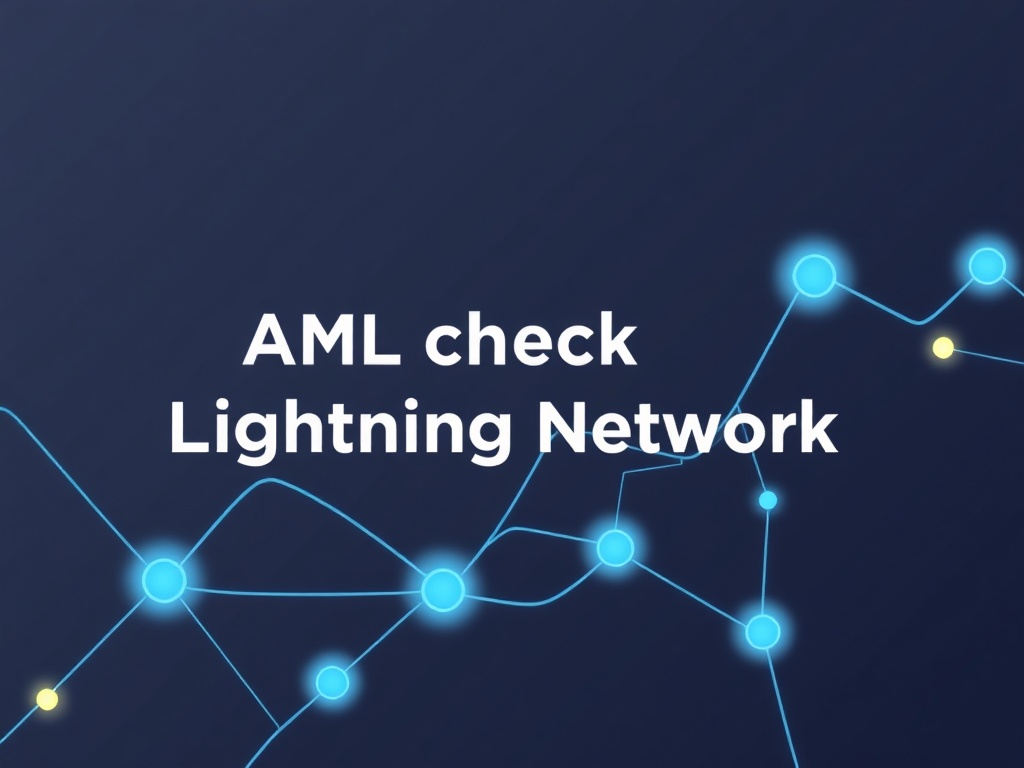
The intersection of anti-money laundering (AML) checks and the Lightning Network payment channel represents a critical area of focus for financial institutions, regulators, and blockchain developers. As decentralized finance (DeFi) continues to evolve, ensuring compliance with AML regulations within the Lightning Network payment channel has become a pressing concern. This article explores the complexities of implementing AML checks in this innovative payment system, highlighting its significance, challenges, and potential solutions. By understanding how AML checks function within the Lightning Network, stakeholders can better navigate the regulatory landscape while leveraging the benefits of fast, low-cost transactions.
Understanding the Lightning Network Payment Channel
The Lightning Network payment channel is a layer-2 scaling solution built on top of blockchain networks like Bitcoin. It enables users to conduct off-chain transactions, significantly reducing fees and increasing speed compared to traditional on-chain transfers. This system operates through payment channels, which are bilateral agreements between two parties to exchange funds without broadcasting every transaction to the blockchain. While this innovation offers numerous advantages, it also introduces unique challenges for AML compliance, particularly in monitoring and verifying transactions that occur outside the public ledger.
What is the Lightning Network?
The Lightning Network is designed to address the scalability limitations of blockchain networks. By allowing users to create payment channels, it facilitates instant, low-cost transactions without the need for constant blockchain confirmations. This off-chain approach is particularly appealing for microtransactions and frequent payments, making it a popular choice for DeFi applications. However, the privacy and speed of these transactions can complicate AML checks, as they are not immediately visible on the public blockchain. This duality—efficiency versus transparency—requires a nuanced approach to compliance.
How AML Checks Apply to the Lightning Network
AML checks in the context of the Lightning Network payment channel involve verifying that transactions do not involve illicit funds or entities. Since these transactions occur off-chain, traditional AML tools that rely on blockchain analytics may not be directly applicable. Instead, compliance mechanisms must be integrated into the payment channel infrastructure itself. This could include pre-transaction screening, real-time monitoring, and post-transaction audits. The goal is to ensure that all parties involved in a Lightning Network payment channel adhere to AML regulations, even when transactions are not recorded on the main blockchain.
Implementing AML Checks in the Lightning Network Payment Channel
Integrating AML checks into the Lightning Network payment channel requires a combination of technological innovation and regulatory awareness. Unlike traditional financial systems, where AML checks are often automated through centralized databases, the decentralized nature of the Lightning Network demands a more adaptive approach. This section explores the methods and tools used to enforce AML compliance within this framework, emphasizing the need for collaboration between developers, regulators, and financial institutions.
Pre-Transaction Screening and Risk Assessment
One of the primary steps in implementing AML checks for the Lightning Network payment channel is pre-transaction screening. This involves verifying the identities of participants and assessing the risk associated with their transactions. For example, if a user is flagged for suspicious activity in a traditional financial system, their ability to open or use a Lightning Network payment channel could be restricted. This process requires robust identity verification systems and access to AML databases, which may be challenging to implement in a decentralized environment. However, advancements in blockchain analytics and identity management solutions are making this more feasible.
Real-Time Monitoring and Transaction Analysis
Real-time monitoring is another critical component of AML checks in the Lightning Network payment channel. Since transactions occur off-chain, traditional blockchain analytics tools may not capture all relevant data. To address this, developers can integrate custom monitoring systems that track transaction patterns and flag anomalies. For instance, sudden large transfers or repeated transactions with high-risk entities could trigger alerts. These systems must be designed to operate efficiently without compromising the speed and low-cost nature of Lightning Network transactions. Additionally, machine learning algorithms can be employed to detect unusual behavior, enhancing the effectiveness of AML checks.
Post-Transaction Audits and Reporting
Even with robust pre-transaction and real-time monitoring, post-transaction audits remain essential for AML compliance. These audits involve reviewing transaction histories and ensuring that all activities align with regulatory requirements. In the context of the Lightning Network payment channel, this may require periodic synchronization of off-chain data with on-chain records. While this process can be complex, it is necessary to maintain transparency and accountability. Furthermore, reporting mechanisms must be established to notify regulators of any suspicious activities, ensuring that the Lightning Network payment channel does not become a haven for illicit transactions.
Challenges in AML Compliance for the Lightning Network Payment Channel
Despite the potential benefits of the Lightning Network payment channel, implementing AML checks presents several challenges. The decentralized and pseudonymous nature of these transactions makes it difficult to track and verify the origin of funds. Additionally, the lack of standardized AML frameworks for decentralized systems complicates compliance efforts. This section examines the key obstacles faced by stakeholders and explores potential solutions to overcome them.
Privacy vs. Compliance: A Delicate Balance
One of the most significant challenges in AML compliance for the Lightning Network payment channel is balancing user privacy with regulatory requirements. The Lightning Network’s design prioritizes privacy, allowing users to transact without revealing their identities. However, AML regulations often require the disclosure of transaction details to prevent money laundering. This conflict necessitates the development of privacy-preserving AML tools that can verify compliance without compromising user anonymity. Techniques such as zero-knowledge proofs or selective disclosure could offer a middle ground, enabling AML checks while maintaining user confidentiality.
Scalability and Technical Limitations
The scalability of the Lightning Network payment channel also poses challenges for AML compliance. As the number of users and transactions grows, the complexity of monitoring and verifying each transaction increases. Traditional AML systems, which are often designed for centralized databases, may struggle to keep up with the decentralized and dynamic nature of the Lightning Network. Moreover, the technical limitations of current blockchain analytics tools may hinder their ability to detect sophisticated money laundering schemes. Addressing these issues requires continuous innovation in both the Lightning Network infrastructure and AML compliance technologies.
Regulatory Uncertainty and Global Variations
Regulatory frameworks for AML checks vary significantly across jurisdictions, creating additional challenges for the Lightning Network payment channel. Some countries have strict AML requirements, while others may have more lenient or unclear guidelines. This inconsistency can complicate compliance efforts, especially for platforms operating on a global scale. Furthermore, the rapid evolution of DeFi and the Lightning Network means that regulations may not keep pace with technological advancements. Stakeholders must remain proactive in engaging with regulators to ensure that AML checks in the Lightning Network payment channel align with emerging standards.
Case Studies: AML Checks in Action on the Lightning Network
Examining real-world examples of AML checks in the Lightning Network payment channel provides valuable insights into best practices and potential pitfalls. These case studies highlight how different entities have approached compliance, offering lessons for others to learn from. By analyzing successful implementations and failures, stakeholders can better understand the practical aspects of integrating AML checks into this innovative payment system.
Example 1: A DeFi Platform’s Approach to AML Compliance
One notable case involves a DeFi platform that integrated AML checks into its Lightning Network payment channel. The platform implemented a multi-layered compliance strategy, combining pre-transaction screening with real-time monitoring. Users were required to verify their identities through a decentralized identity system, which cross-referenced AML databases to flag high-risk individuals. Additionally, the platform used machine learning algorithms to analyze transaction patterns and detect anomalies. This approach allowed the platform to maintain compliance while preserving the speed and efficiency of the Lightning Network. However, the platform faced challenges in balancing privacy and transparency, requiring ongoing adjustments to its compliance protocols.
Example 2: A Financial Institution’s Collaboration with Regulators
Another case study involves a traditional financial institution that partnered with a blockchain analytics firm to implement AML checks for its Lightning Network payment channel. The institution leveraged the firm’s expertise to develop a custom monitoring system that tracked off-chain transactions and cross-referenced them with on-chain data. This collaboration enabled the institution to meet regulatory requirements while utilizing the Lightning Network’s advantages. However, the project required significant investment in technology and regulatory engagement, underscoring the importance of strategic partnerships in achieving effective AML compliance.
Future Outlook: Enhancing AML Checks in the Lightning Network Payment Channel
The future of AML checks in the Lightning Network payment channel will likely be shaped by technological advancements and evolving regulatory landscapes. As the Lightning Network continues to gain traction, the need for robust and adaptable AML solutions will become even more critical. This section explores potential developments that could enhance compliance efforts, including the role of artificial intelligence, blockchain interoperability, and global regulatory harmonization.
The Role of Artificial Intelligence in AML Compliance
Artificial intelligence (AI) is poised to play a transformative role in enhancing AML checks for the Lightning Network payment channel. AI-powered tools can analyze vast amounts of transaction data in real time, identifying patterns that may indicate money laundering or other illicit activities. For instance, AI algorithms can detect unusual transaction frequencies, amounts, or counterparties, triggering alerts for further investigation. Additionally, AI can improve the accuracy of risk assessments by learning from historical data and adapting to new threats. As AI technology continues to advance, its integration into AML compliance systems for the Lightning Network could significantly improve efficiency and effectiveness.
Blockchain Interoperability and Standardization
Blockchain interoperability is another area that could enhance AML checks in the Lightning Network payment channel. As different blockchain networks and payment systems interact, standardized AML frameworks could facilitate seamless compliance across platforms. For example, a universal AML database or protocol could allow entities to share compliance data and verify transactions more efficiently. This interoperability would not only streamline AML checks but also reduce the risk of regulatory fragmentation. However, achieving this level of standardization requires collaboration between industry stakeholders, regulators, and technology developers.
Global Regulatory Harmonization
Global regulatory harmonization is essential for ensuring consistent AML compliance in the Lightning Network payment channel. As the Lightning Network operates across borders, differing regulatory requirements can create compliance challenges. Harmonizing AML regulations across jurisdictions would simplify the process for entities operating in multiple regions. This could involve establishing international standards for AML checks in decentralized systems or creating cross-border regulatory bodies to oversee compliance. While achieving global harmonization is a complex endeavor, it is a necessary step toward fostering a secure and compliant Lightning Network ecosystem.
In conclusion, the integration of AML checks into the Lightning Network payment channel is a multifaceted challenge that requires a combination of technological innovation, regulatory engagement, and strategic collaboration. While the decentralized nature of the Lightning Network presents unique obstacles, advancements in AI, blockchain interoperability, and regulatory frameworks offer promising solutions. By addressing these challenges proactively, stakeholders can ensure that the Lightning Network payment channel remains a secure and compliant platform for decentralized financial transactions.

As a digital assets strategist with a deep understanding of both traditional finance and cryptocurrency ecosystems, I’ve long been fascinated by the intersection of compliance and innovation. The AML check Lightning Network payment channel represents a critical frontier in this space. While the Lightning Network offers unparalleled scalability and speed for Bitcoin transactions, its decentralized nature introduces unique challenges for anti-money laundering (AML) frameworks. Traditional AML systems, which rely on centralized transaction monitoring and identity verification, struggle to adapt to the peer-to-peer, off-chain nature of Lightning. This creates a gap where illicit actors could exploit the network’s privacy features. However, I believe that with the right technical and regulatory approaches, AML checks can be seamlessly integrated into Lightning Network payment channels without stifling their core advantages. The key lies in leveraging on-chain analytics and smart contract design to monitor transaction patterns while respecting user privacy. For instance, implementing zero-knowledge proofs or off-chain compliance layers could enable real-time AML checks without compromising the network’s efficiency. This balance is not just a technical challenge but a strategic imperative for mainstream adoption.
From a practical standpoint, the AML check Lightning Network payment channel must address the inherent risks of unregulated financial flows. Unlike traditional banking systems, where transaction trails are easily traceable, Lightning payments can be obscured through multi-hop routing and channel management. This makes it harder to detect suspicious activities like structuring or layering. As a quantitative analyst, I’ve seen how data-driven approaches can mitigate these risks. By analyzing on-chain metadata—such as channel creation timestamps, funding amounts, and routing paths—we can build predictive models to flag anomalous behavior. However, this requires collaboration between blockchain developers, compliance officers, and regulators to establish standardized protocols. One practical insight is that AML checks should not be a one-size-fits-all solution. Instead, they need to be tailored to the specific use cases of Lightning Network, whether it’s for retail payments, cross-border transfers, or institutional-grade transactions. The goal is to create a framework that is both robust and adaptable, ensuring that compliance does not become a barrier to innovation but rather a catalyst for trust.
Ultimately, the success of AML checks in the Lightning Network payment channel hinges on proactive governance and technological evolution. While the network’s design prioritizes speed and privacy, these same features can be weaponized for illicit purposes. I advocate for a layered approach where AML checks are embedded at multiple levels—from channel setup to transaction routing. This could involve integrating compliance tools directly into Lightning wallets or using centralized intermediaries for high-risk transactions. As a strategist, I emphasize that regulatory clarity is as important as technical solutions. Without clear guidelines on how AML checks should be implemented, the Lightning Network risks becoming a haven for bad actors. The path forward requires a nuanced understanding of both the technology and the regulatory landscape. By fostering dialogue between industry stakeholders and policymakers, we can ensure that the AML check Lightning Network payment channel evolves in a way that protects users while preserving the network’s transformative potential. It’s not just about compliance; it’s about building a sustainable ecosystem for digital assets.”